Master the Transformation: Wire Harness Design in the Digital Age
Navigating the Shift Toward Zonal Architectures and Digital Twins
The mobility industry stands at the threshold of a dynamic decade. Vehicles become electrified, software-defined, and modular. You face unprecedented challenges and opportunities in wiring harness design.
This article explores the paradigm shifts shaping your future. Discover how zonal architectures, digital twins, manufacturing automation, and smart controls create momentum. Learn how the model-based approach of PREEvision empowers you to streamline development, cut costs, and accelerate time-to-market. Manage complexity effectively and stay ahead in a rapidly evolving industry.
The Paradigm Shift: Zonal Architectures
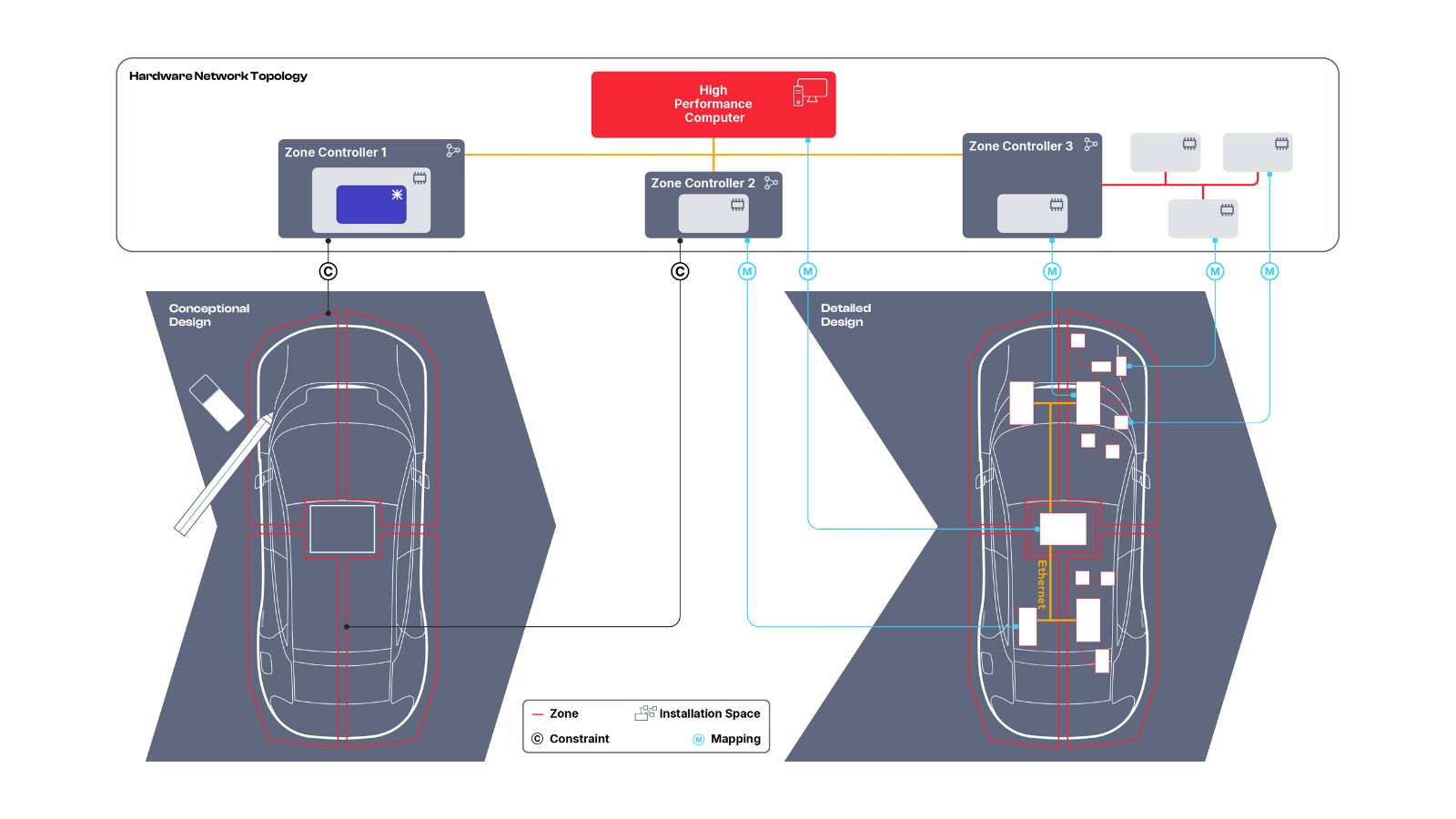
Centralized high-performance computers and zonal architectures drive the software-defined vehicle. Unlike traditional domain-based designs, zonal architectures distribute controllers throughout the vehicle. Each manages a specific physical area and connects to a central computer.
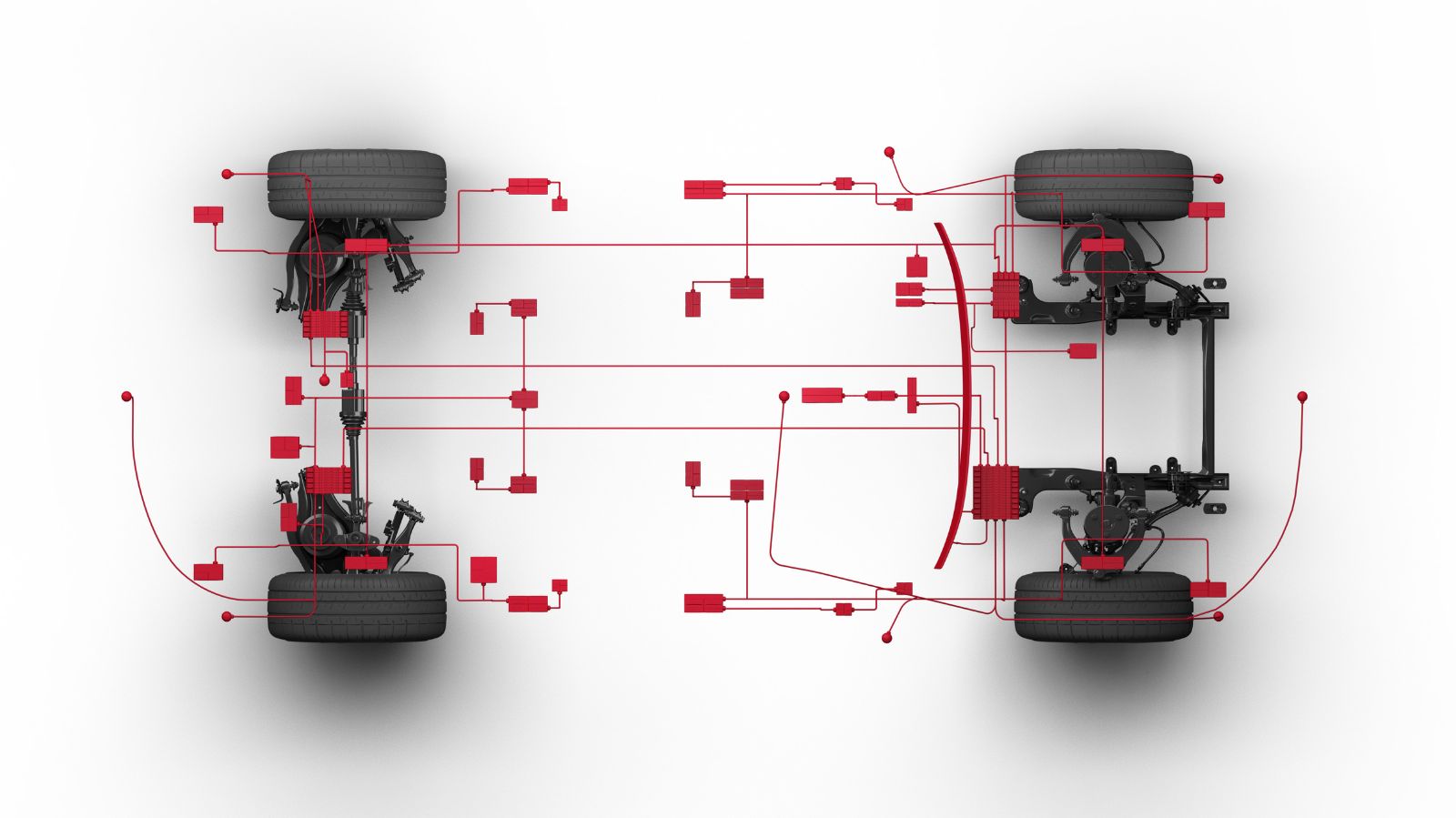
This shift brings immediate changes to your wiring harness design:
- Reduce cable length and weight: Localized connections within zones mean shorter cables and lighter harnesses.
- Redistribute wiring paths: You redesign harness layouts completely to accommodate hierarchical topologies.
- Improve manufacturability and automation: Simplified harnesses automate easily.
These changes represent a paradigm shift. New connection technologies, like high-speed Automotive Ethernet and modular interfaces, replace legacy protocols. Power distribution reconfigures, integrating Power-over-Data solutions to streamline cabling.
Manage this complexity with a structured development process. Document all design decisions systematically. Support them with digital tools for model-based design, simulation, and automated validation. Robust change management unlocks the full potential of zonal architectures and maintains your development efficiency.
Digital Twins: A Unified Digital Description
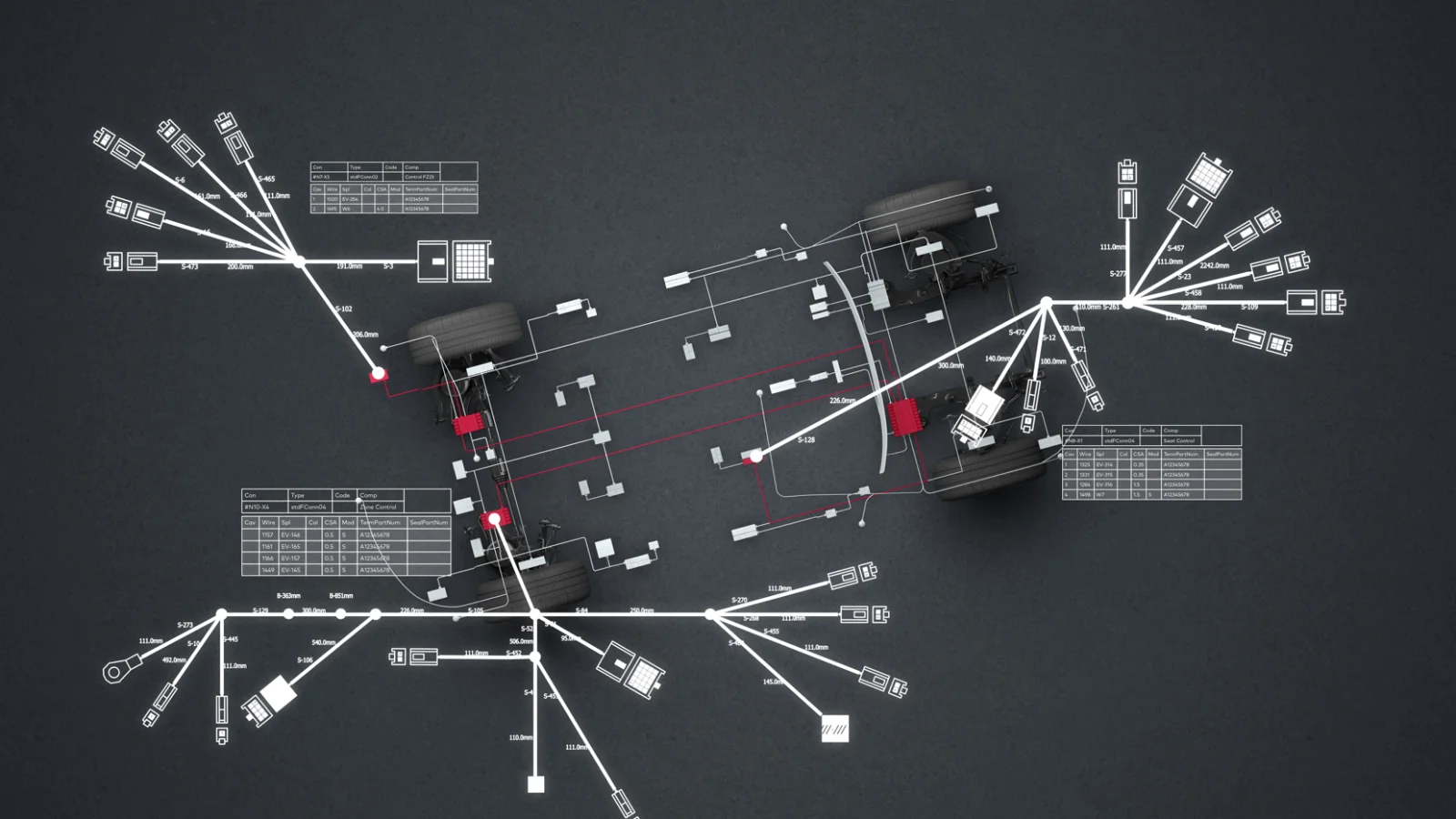
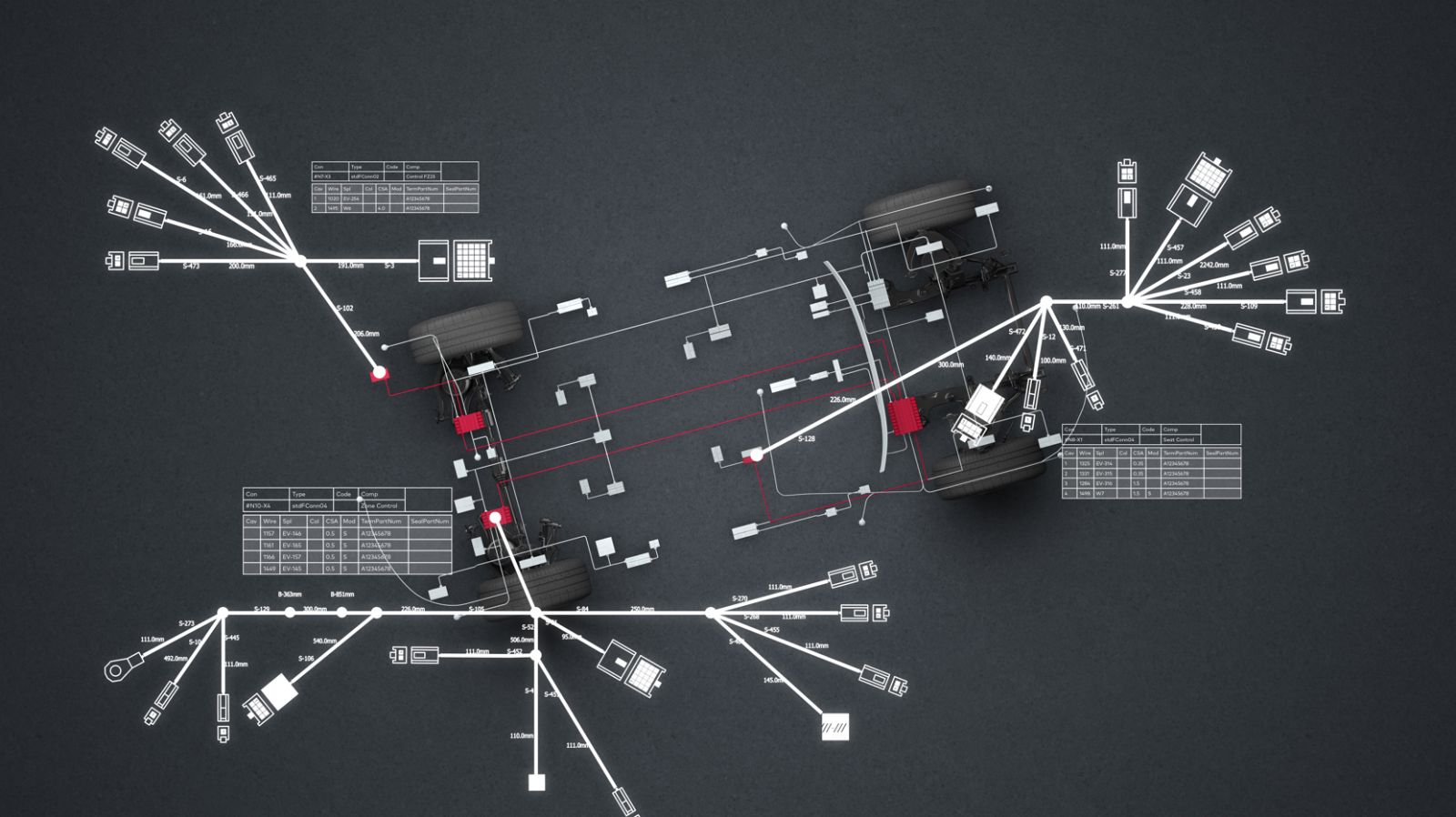
Traditionally, wiring harness development relied on fragmented drawings and spreadsheets. Today, you move toward a single, reusable digital twin. This digital twin provides continuity throughout the product lifecycle, from concept to manufacturing.
- Collaborate via digital models: You and your partners work from the exact same digital representation. This reduces redundancy and improves traceability.
- Reuse across development: You reuse designs across platforms and variants.
- Generate drawings on demand: Model-based tools produce harness layouts, connector views, and pinout tables directly from the digital twin.
- Automate intelligent design: A unified model for schematics, wiring, and the harness enables you to automate design tasks and rule checks.
Industry standards like KBL and VEC ensure interoperability and reliable data exchange. This transition marks a significant step toward model-based engineering. You improve collaboration, reduce errors, and accelerate development.

Production Automation: Scalable and Cost-Efficient
Zonal architectures introduce modularity. This opens new opportunities for automation in your wiring harness production. Divide vehicles into physical zones to develop smaller, zone-specific sub-harnesses. Automation enables just-in-time production, aligns with lean manufacturing principles, and reduces inventory overhead.
- Harness modularity: Standardized sub-harnesses enable parallel production and increase reuse.
- Design for automation: Simplified interfaces and digital twin integration optimize designs for machine-based assembly.
- Benefit from automation: Reduce costs. Improve quality. Scale for high-volume manufacturing.
Smart Controls: e-Fuses for Power Management
Electrified and software-defined vehicles push traditional power distribution systems to their limits. Electronic fuses (e-fuses) provide intelligent, flexible, and fail-safe power management.
- Overcome traditional limits: Static fuses fail to adapt to changing conditions or integrate with diagnostics.
- Consume power efficiently: e-Fuses deliver real-time performance for smarter load management, improved safety, and enhanced flexibility.
- Leverage e-Fuse benefits: Use programmable thresholds, real-time monitoring, and integration with zonal controllers.
Collaborative Workflows: The One Model Approach
Wiring harness development involves multiple roles and teams. Your tools facilitate seamless collaboration. The "one model" approach streamlines development and enables scalable, maintainable harness design.
- Abstract complex data: Bridge the gap between high-level specifications and detailed implementations.
- Decompose and partition: Break systems down into manageable units. Aggregate them into larger systems with defined interfaces.
- Control versions: Branches and revisions support parallel development and innovation.
- Establish continuous workflows: Foster team spirit and streamline collaboration with tailored workspaces.
- Engineer product lines: Integrate modular software stacks and use templates to standardize reusable components.

Model-Based E/E Development with PREEvision

Modern E/E development demands integrated, model-based approaches. PREEvision offers a unified platform for E/E architecture design, requirements engineering, systems engineering, software, communication, diagnostics, and wiring harness development.
The Vector Approach
PREEvision equips your engineering teams with a unified, model-based platform to master complex architectures.
- Drive zero-defect production: Empower your teams with a holistic platform that establishes efficient workflows and scalable engineering.
- Integrate seamlessly: A detailed data model fosters a shared understanding and facilitates collaborative engineering.
- Automate and reuse: Automate repetitive tasks and reuse existing data. Reduce manual effort and errors.
- Validate designs early: Consistency checks ensure cybersecurity and correctness before production.
- Trace and manage changes: Requirement-to-solution traceability and version control provide transparency.
- Manage data advanced: Robust libraries support scalable development.
- Design intelligent wiring harnesses: Automated routing, topology-based optimization, and inline connector placement improve manufacturability.
- Integrate your toolchain: Standardized tool interfaces ensure smooth collaboration.
Shape the Future of Wiring Harness Design
The journey toward smarter wiring harness development begins now. Tackle the challenges of zonal architectures and digital twins collaboratively.
Ready to accelerate your E/E development goals? Contact our team to schedule a strategy session. Discover how PREEvision creates momentum for your projects. Let us work together to drive innovation and excellence in your next E/E architecture.