Modular Software-Defined machine platform for modern farming
Agricultural Machine development is in constant motion. What was once defined primarily by mechanical components is now increasingly shaped by software. As complexity grows and requirements change faster, software has become the central driver of innovation in agricultural systems.
As a result, Software-Defined Machines are emerging, systems that can be continuously updated, extended, and optimized throughout their entire lifecycle, whilst remaining safe and secure
Get Ready for Software-Defined Machines
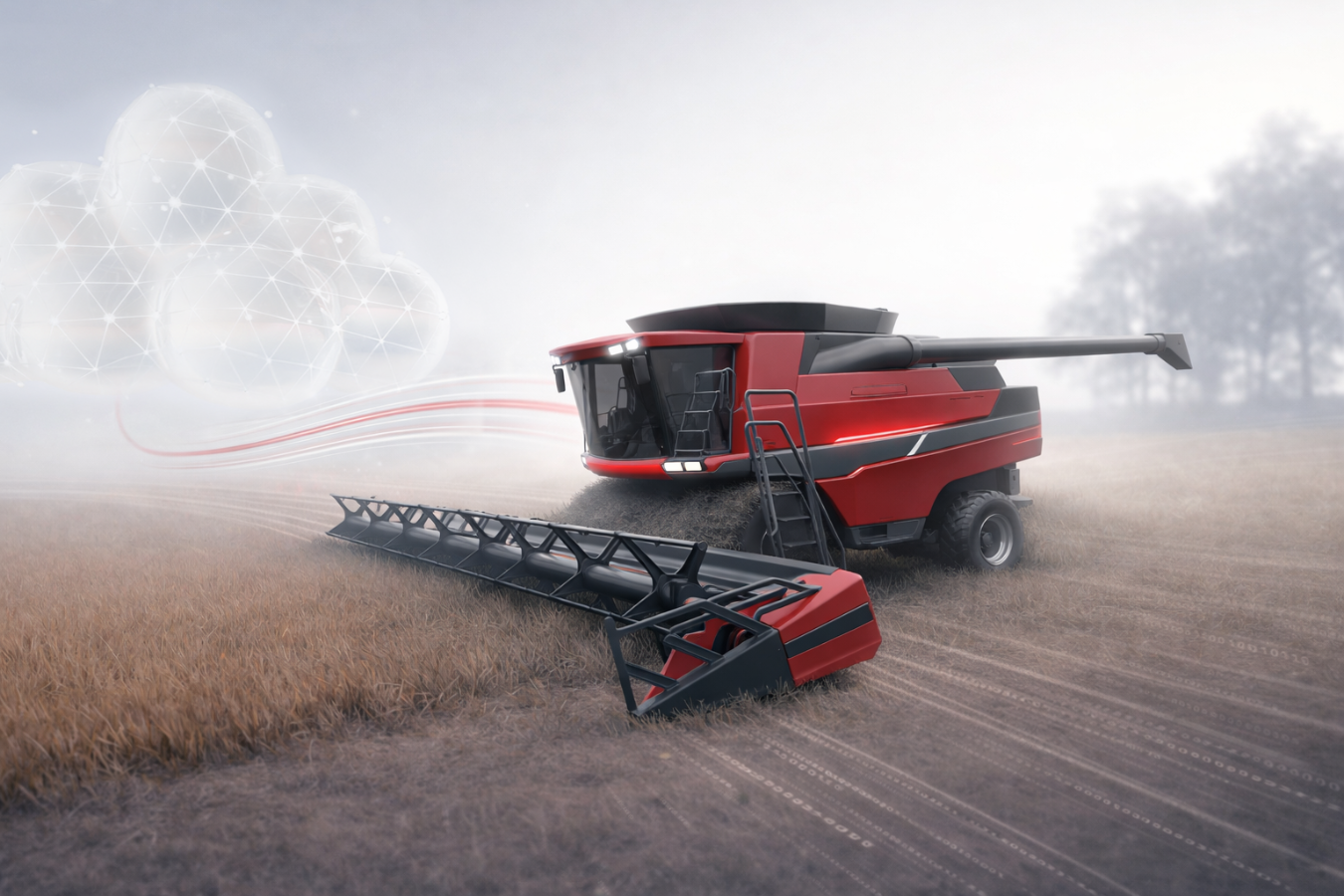
With Vector’s Software-Defined Machine approach, machines become connected, updateable platforms built on an open and modular software ecosystem. Functionality is no longer bound to hardware alone. Instead, software defines how machines operate, adapt, and evolve over time.
For agriculture, this means field-ready machines that can integrate new workflows, automation levels, and operational capabilities, without redesigning the vehicle platform. The result is smarter machinery, more efficient processes, and a foundation that supports continuous innovation in farming operations.
Inside a Software-Defined Machine
This high-level view shows how Vector’s solution connects embedded systems and development workflows.
Why Software‑Defined Agriculture Matters
Success Story - Yanmar and Vector
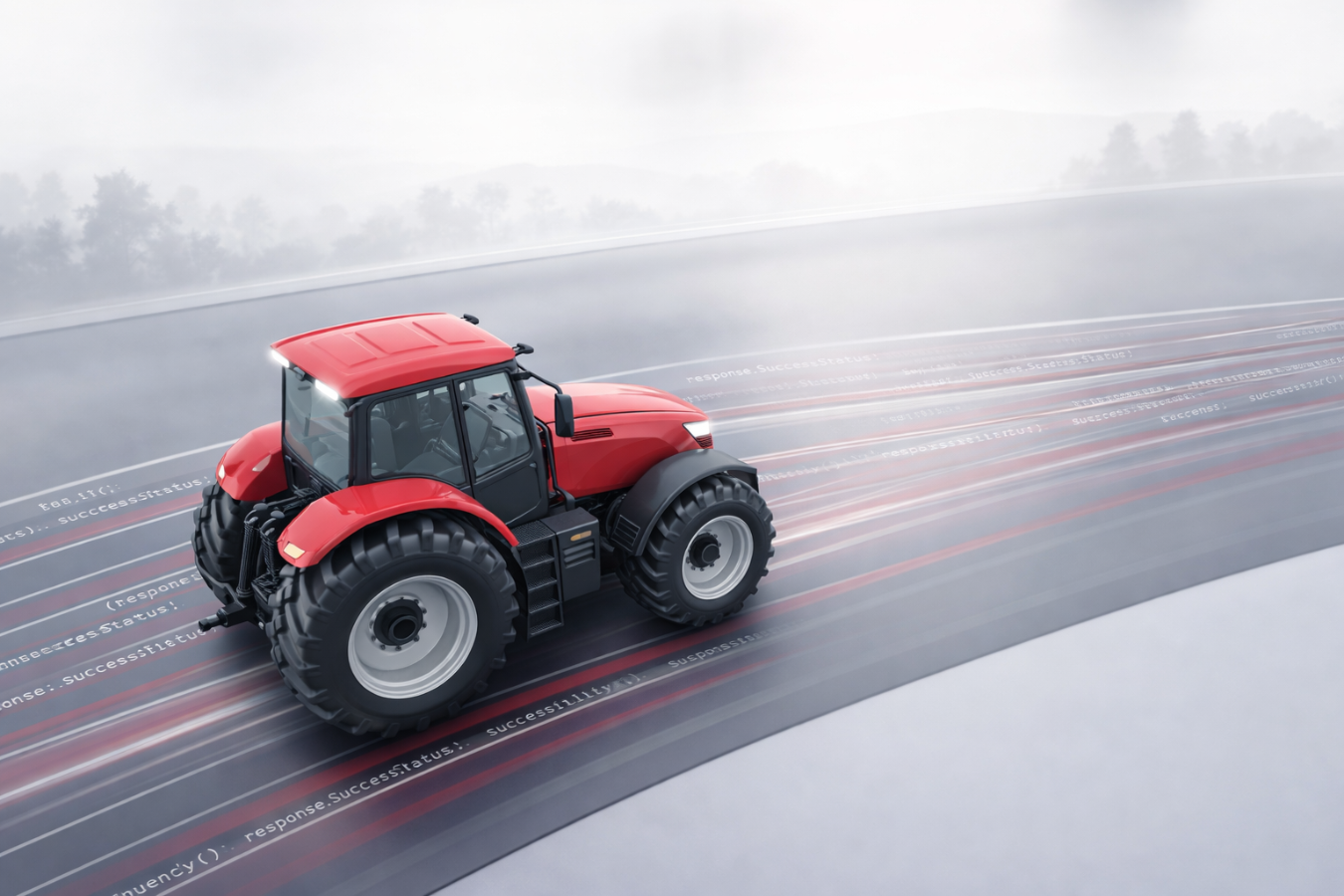
Yanmar and Vector have established a shared ECU platform for next‑generation agricultural machinery by adopting a standardized, Software-Defined approach. By introducing a common AUTOSAR‑based ECU platform across machines and domains, Yanmar significantly improved the reuse of software assets and increased development efficiency. The integration of MICROSAR Classic, including support for SAE J1939 and ISOBUS, enabled a consistent communication foundation for agricultural applications and laid the groundwork for scalable platform evolution.
This success story demonstrates how standardized software architecture, combined with automated testing supports long product lifecycles in agricultural machinery. It highlights how close collaboration, proven automotive‑grade technology, and a shared platform strategy enable manufacturers to move toward Software-Defined Machines with confidence.
Software Platform for Software Defined Agriculture
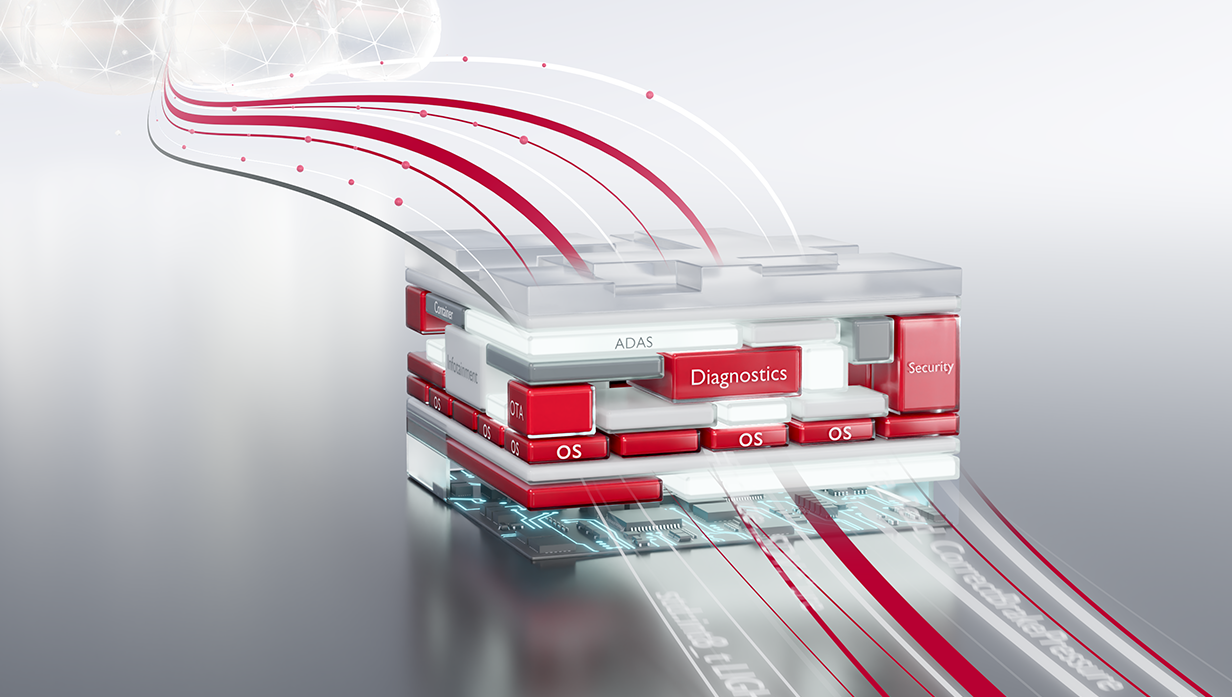
Vector’s Software Platform provides modular, scalable building blocks spanning microcontrollers, high‑performance compute units, and cloud backends, forming a consistent foundation for connected, updateable agricultural machines and fleets.
Why it matters in Agriculture
Agricultural Machines increasingly combine distributed mechatronics, powerful central compute, and backend connectivity. A modular platform helps you standardize base software across machine families, reduce integration friction, and evolve capabilities through software over long lifecycles.
Key capabilities
- Modular base software for small controllers, distributed architectures, and central compute units
- Hardware‑agnostic building blocks that support scalable and reusable system design across machine families
- API‑driven cloud services, such as Update Management and Data Collection, enabling remote operation and lifecycle management
- Highest quality for Safety and Security covering industry standards like ISO 25119 and ISO 24882
Result: A single, consistent software foundation across tractors, harvesters, implements, autonomous machines, and connected backend systems.
Software Factory for Software-Defined Machines
The Software Factory is Vector’s DevOps environment for highly automated development, integration, testing, and deployment workflows.
In Software-Defined agricultural systems, it enables rapid iteration, continuous validation, and reproducible release processes, all essential for safely evolving machine functionality over long product lifecycles.
By combining DevOps principles such as automation, shift‑left testing, and everything as code, the Software Factory helps industrialize software development across tractors, harvesters, implements, and connected backend services.
The Software Factory enables agile capability evolution for agricultural machinery, with reliable, secure, and reproducible release processes that scale from individual machines to entire fleets. It helps manufacturers reduce integration effort, shorten development cycles, and safely introduce new software functions throughout the machine lifecycle.
Validate Software Before It Reaches the Field
Developing Software-Defined Machines means validating functions long before physical hardware is fully available. Virtual execution environments help you test, iterate, and stabilize machine software early, under controlled conditions.
With virtual targets, agricultural machine software can run on a digital representation of the target ECU or compute unit. This allows teams to validate behavior, interfaces, and interactions early in the development cycle.
The result: fewer late-stage surprises, faster iteration, and safer software deployment to machines in operation.
Advantages:
- Detect integration issues early using virtual execution
- Validate automation functions without waiting for hardware availability
- Support shift‑left testing as part of a Software Factory approach
- Improve reliability before software is deployed to machines in the field
Discover Our SDV Solutions

Software Platform
Software Factory

Software Defined Vehicle