Automotive Industry
Engineering the Transition to Software-Defined Vehicles

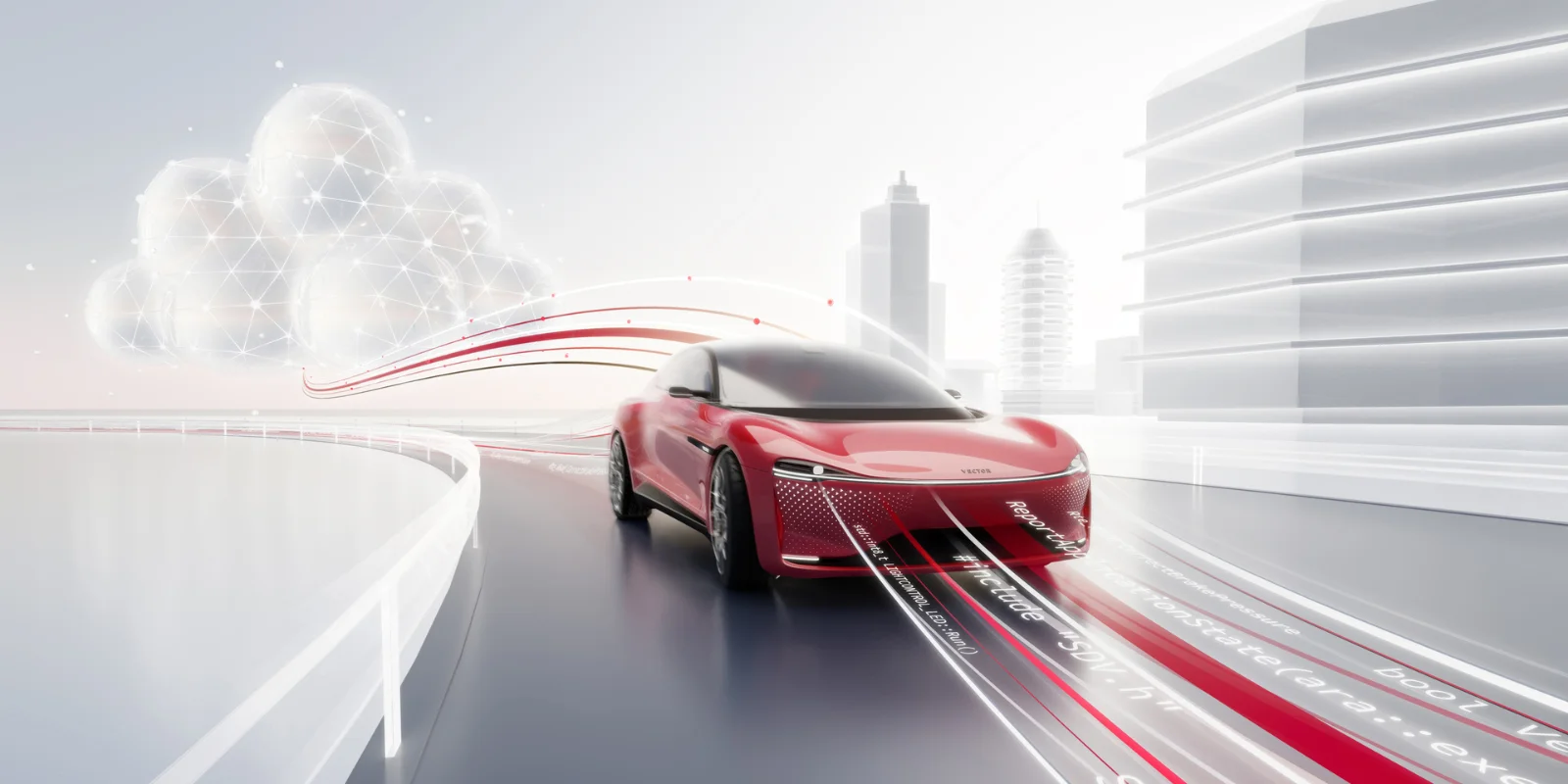
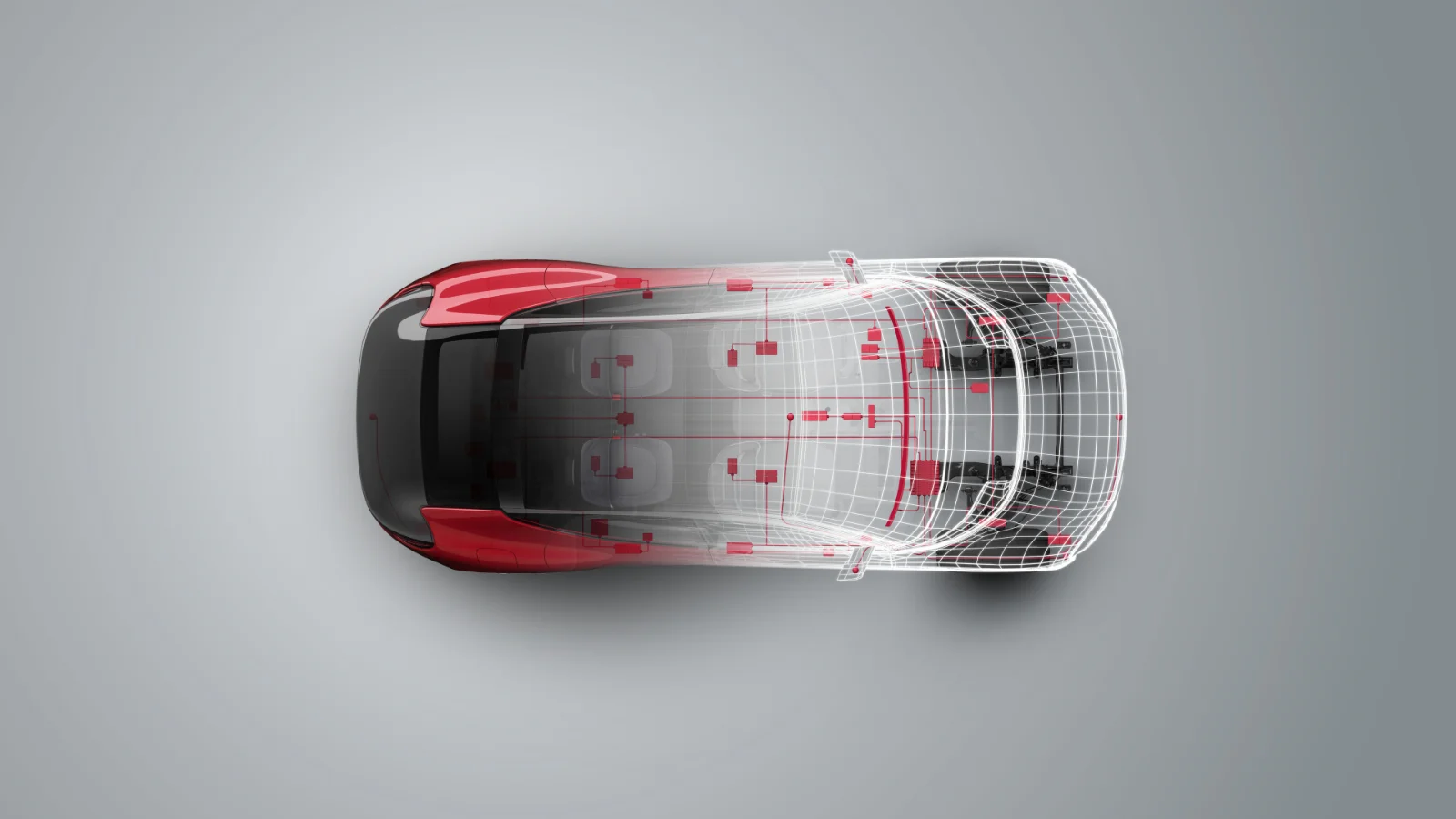
Automotive development accelerates into a new era, powered by software, AI, advanced connectivity and evolving business models. Systems no longer stand alone. They interact across vehicles, the cloud and connected engineering processes, forming a dynamic, interconnected landscape.
Engineering teams navigate rising complexity in diagnostics, ADAS, e-mobility and cybersecurity. The challenge is not only to build systems, but to coordinate them across domains without losing speed or control.
Vector advances this momentum with an open, modular development environment that brings structure and clarity into complex development landscapes and enables teams to work effectively across system boundaries.
Evolving Towards Software-Defined Vehicles
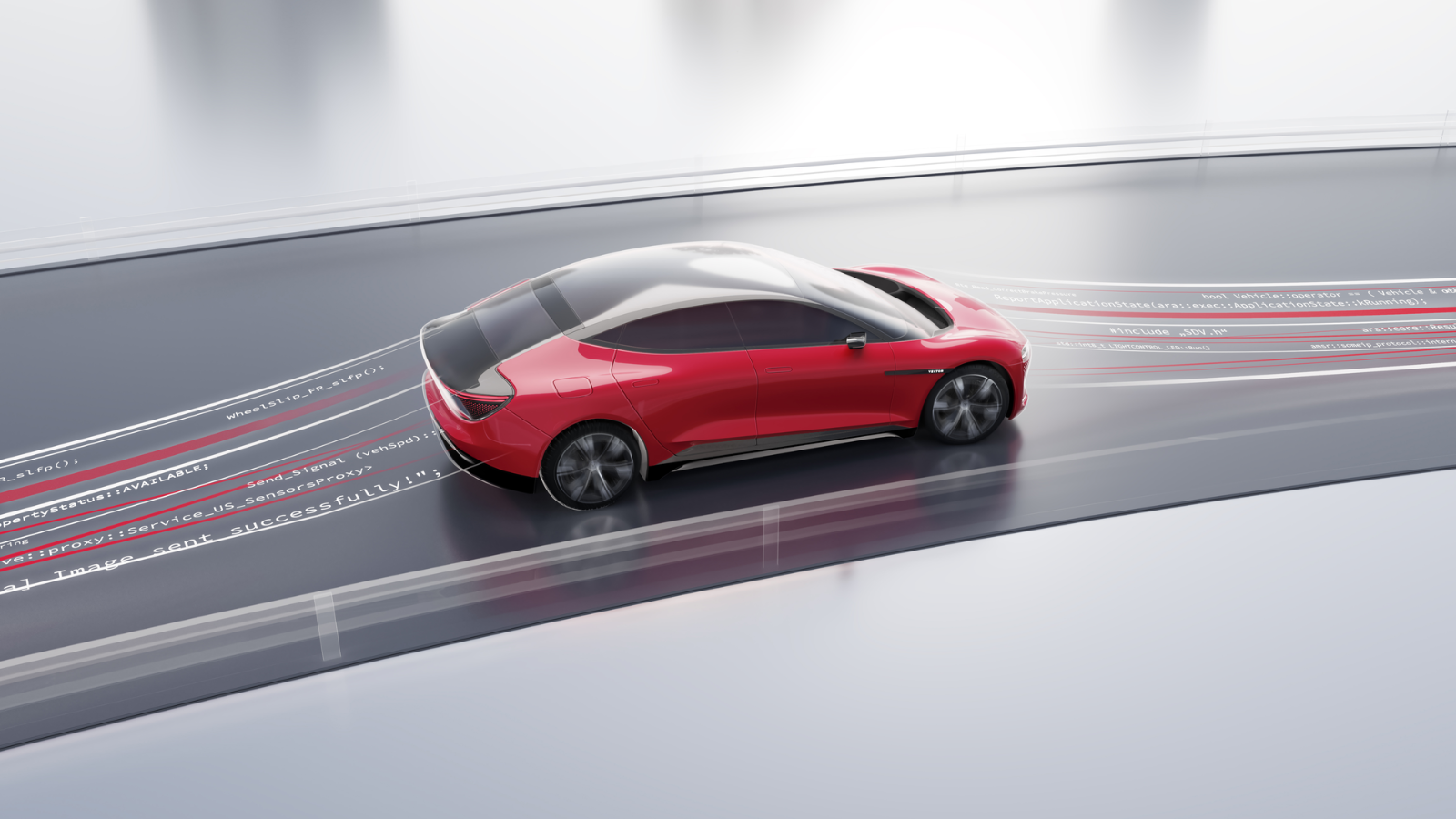
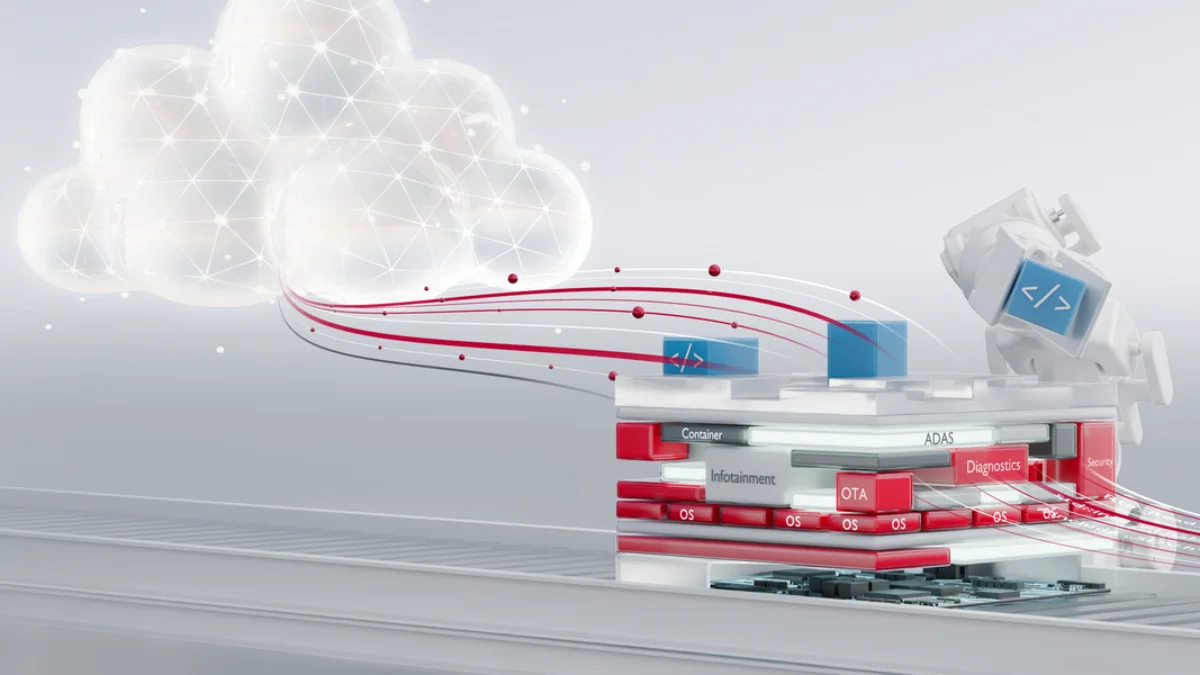
Software-Defined Vehicles (SDV) reshape how automotive software is built, integrated and operated. Core functions shift to software, architectures consolidate and development aligns vehicle, cloud and lifecycle processes into a unified flow.
To manage this transformation, organizations need a consistent approach that connects platform design, development workflows and operational integration.
Vector enables this shift through an open, modular system that connects vehicle platforms, DevOps workflows and engineering expertise into a scalable and consistent development environment.
Deep Expertise Across Automotive Domains

Diagnostics
Develop and operate vehicle diagnostics and software update solutions, from specification and ECU integration to fleet-wide updates and aftersales operations

ADAS/AD
Develop and validate advanced driver assistance and automated driving systems with reliable perception, data processing and system integration

E-Mobility
Build and verify electric powertrains, charging communication and high-voltage systems across vehicle and infrastructure

Measurement, Calibration, Data Analysis
Understand and optimize system behavior using measurement data, calibration and in-depth analysis under real-world conditions

Automotive Networks
Design and validate communication architectures connecting ECUs, high-performance compute platforms and vehicle services

Safety & Security
Ensure system integrity, compliance and resilience by integrating functional safety and cybersecurity into development and operation

SIL/HIL Testing
Validate software and system behavior through simulation, hardware-in-the-loop testing and system-level verification

V2X
Enable communication between vehicles, infrastructure and cloud services for connected and cooperative mobility scenarios