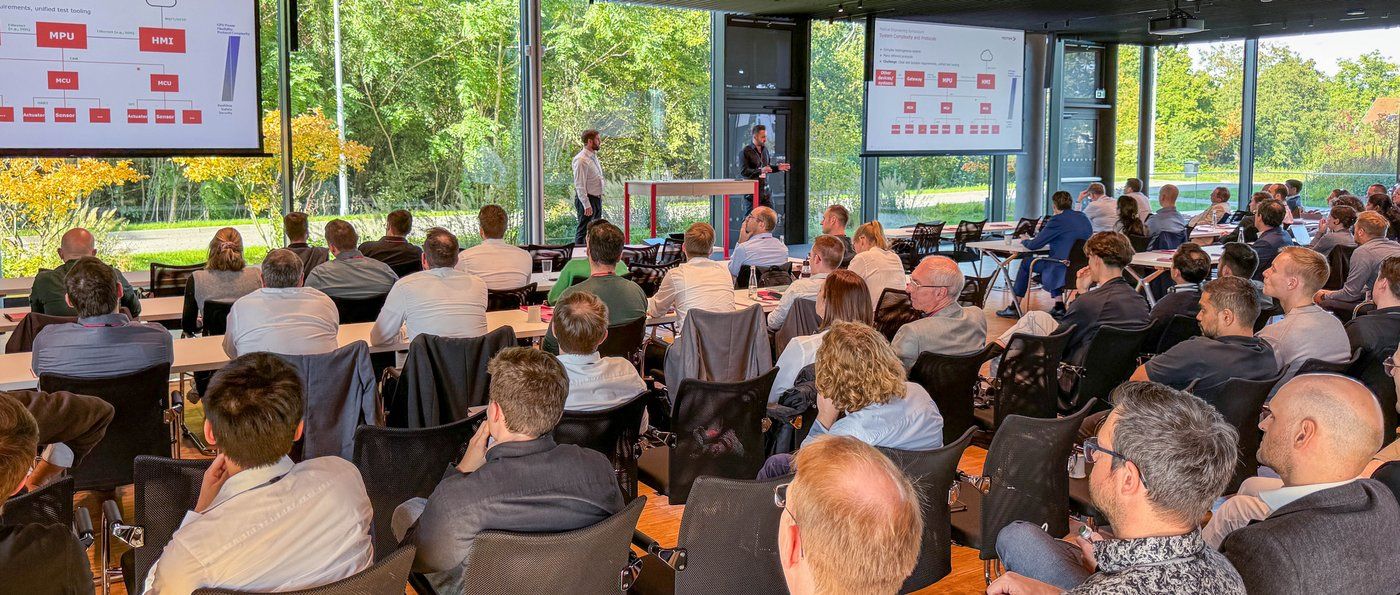
Throwback: Vector Medical Engineering Symposium 2025
Symposium success at a glance
140+ MedTech Enthusiasts
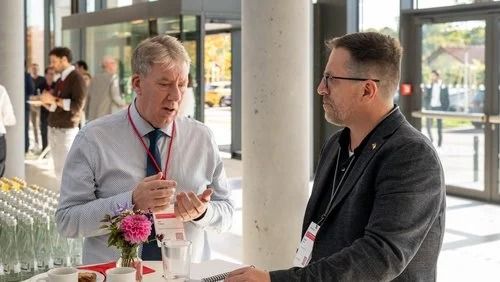
2 days packed with know how and networking
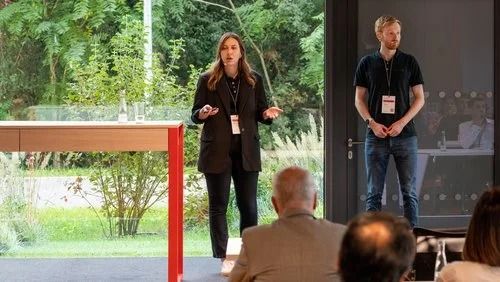
14 talks, covering time-to-market, Quality, Testing and Connectivity
2 hands-on workshops
1 360 degree panel discussion
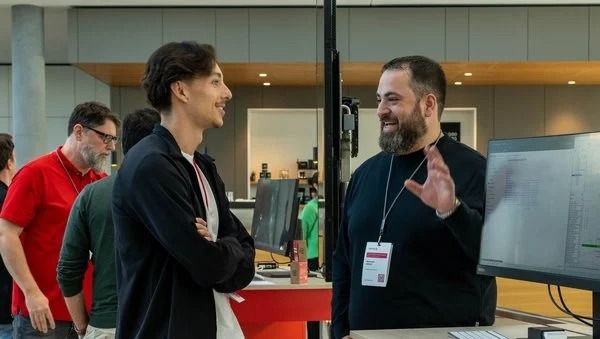
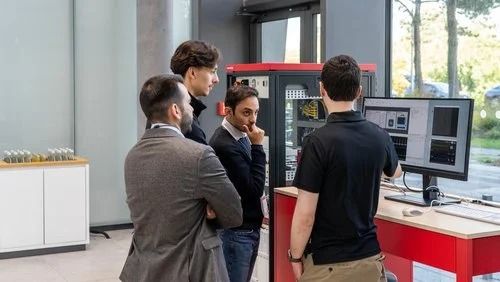
6 demo setups on MedTech development
Key Discussion Areas
Exploring Critical Topics in Medical Engineering Technology
Interoperability and Standards Development: SDC and DDS for seamless integration of medical systems
Software Quality and Testing Methodologies: SIL/HIL, CANoe/vTESTstudio, PC-lint Plus/VectorCAST
Workflows and Technologies: Development and testing procedures, implementation of real-time diagnostics
Development and testing procedures, implementation of real-time diagnostics: Grey box testing as a way to detect vulnerabilities
Featured Symposium Talks from Leading Medical Engineering Organizations
Dräger
Advanced Medical and Safety Technologies
Innovative respiratory and critical care solutions
Siemens Healthineers
Transforming Medical Imaging and Diagnostics
Precision healthcare technologies
Johner Institute
Medical Device Regulatory Expertise
Compliance and risk management specialists
TÜV Rheinland
Global Testing and Certification
Independent safety and quality assurance
Hands-on learnings
The two engaging workshops on medical device engineering, limited to 20 participants each, providing valuable industry insights and opportunities for learning from experienced professionals.
Developing AI for Medical Use?
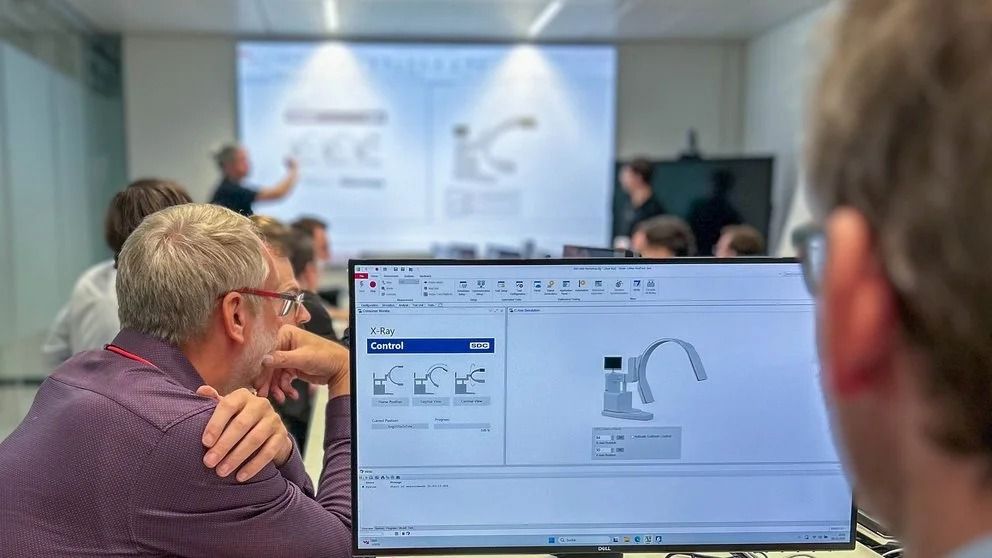
Curious how to turn regulations into actionable tests? Wondering how to build explainable, robust models and generate audit-ready documentation —simultaneously? In this hands-on workshop, the participants used the Vector AI Validation Tool Suite and a heart rate detection example to bridge the gap between standards and practice.
Combining SDC and DDS for Smart OR Interoperability
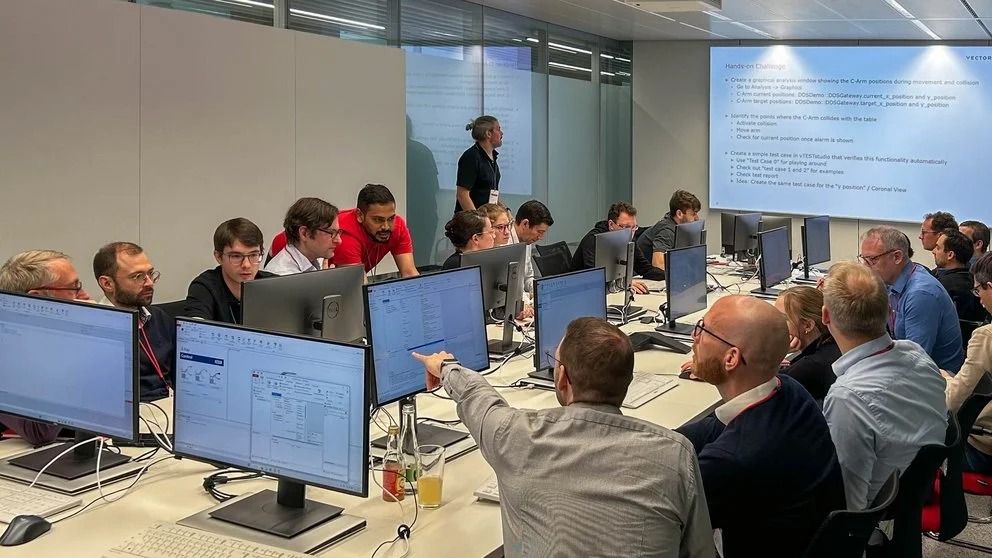
Modern ORs demand seamless interoperability between medical devices and robotics. Participants experienced in this hands-on workshop, how IEEE 11073 SDC-based device orchestration integrates with DDS-driven robotic control to enable synchronized workflows. They learnded how to integrate these technologies and explore use cases like coordinated surgical tool control in connected ORs.