Model-Based Systems Engineering
The engineering landscape is shifting. Today, you build systems that go far beyond mechanical parts. Modern architecture integrates complex hardware, sophisticated software, advanced electronics, and seamless human interaction. As these domains converge, traditional document-driven methods quickly reach their limits. Disconnected spreadsheets and text documents cause miscommunication, hide critical errors, and lead to costly late-stage revisions.
To maintain momentum and stay ahead of the curve, you need a new approach. You need a single source of truth that connects every discipline, aligns your team, and turns complexity into a competitive advantage. We believe that the future belongs to those who engineer with clarity and foresight. Model-based methodologies provide exactly this foundation.
Understanding MBE and MBSE
To navigate modern complexity, the industry is transitioning to model-centric workflows. But what exactly do these terms mean for your daily operations?
Model-Based Engineering (MBE) solves the fundamental problem of scattered data. It establishes digital models as the primary medium for information capture and exchange throughout the engineering lifecycle. Instead of reading static documents, your teams interact with dynamic representations. You visualize, analyze, and validate systems long before building the first physical prototype.
Model-Based Systems Engineering (MBSE) brings this powerful momentum specifically to systems engineering. It formalizes the use of models from the initial concept down to decommissioning. By adopting MBSE, you replace text-heavy specifications with interconnected digital artifacts. Industries like automotive, aerospace, and industrial automation rely on MBSE to drive innovation, ensure compliance, and future-proof their development.
The Benefits of MBSE
- Improved Collaboration
Models create a shared, visual language for multidisciplinary teams. - Enhanced Quality and Traceability
Link requirements, designs, and test artifacts perfectly. You eliminate errors and guarantee compliance. - Faster Development
Early simulation and analysis reveal issues before implementation. You save time and resources. - Scalability
Manage the complexity of interconnected systems with ease.
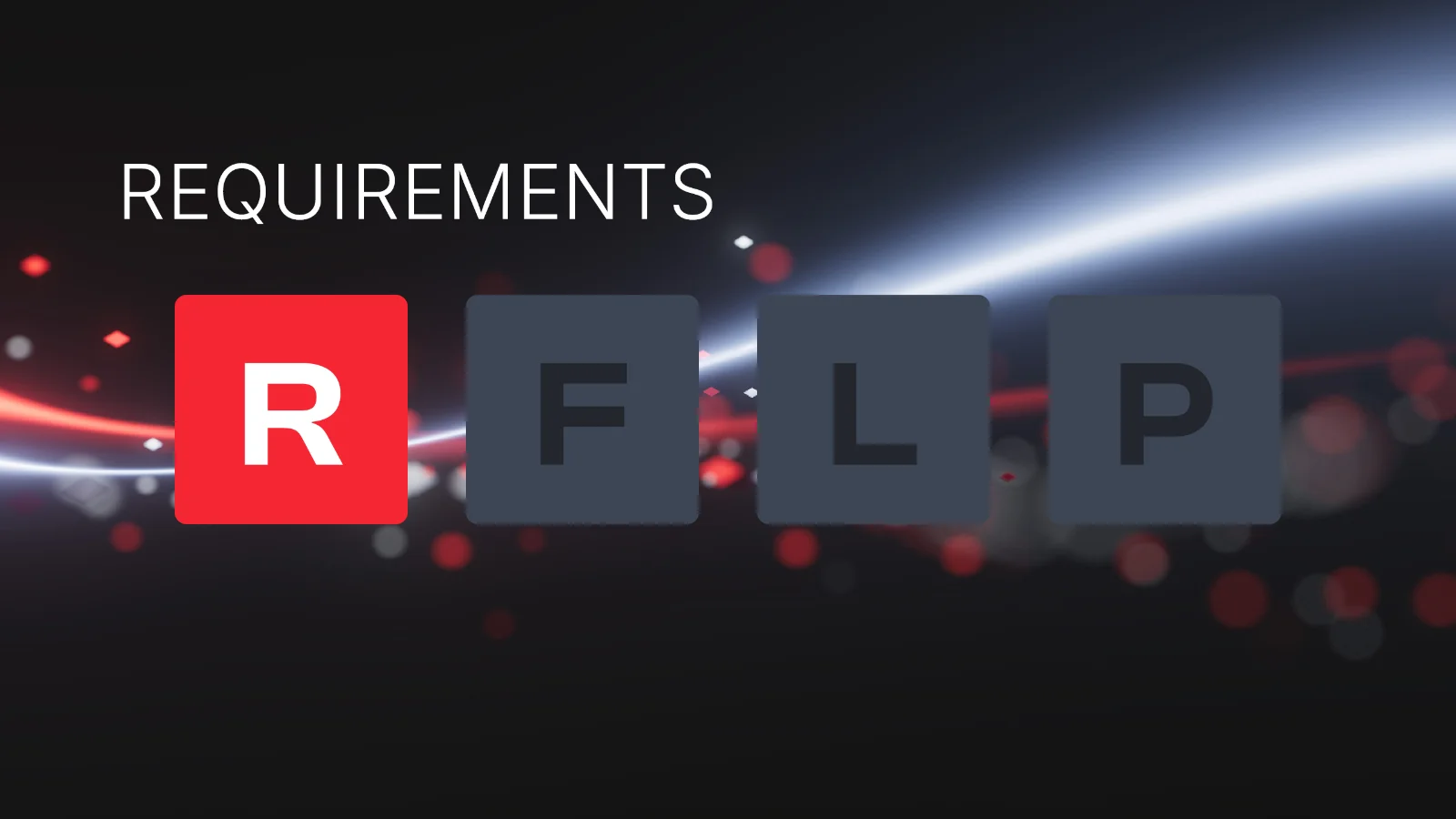
The RFLP Viewpoints

A Backbone for MBSE
The RFLP approach provides a structured foundation for systems engineering. It defines four interconnected viewpoints to guide your development from concept to implementation.
- Requirements: Capture stakeholder needs and system constraints.
- Functional: Describe system actions independent of technology.
- Logical: Represent the abstract architecture and component interactions.
- Physical: Detail the concrete implementation, including hardware, software, and integration.
RFLP delivers true traceability. Link every requirement to functions, logical elements, and physical components. This ensures alignment with stakeholder goals, simplifies complex systems, and makes every decision auditable.
SysML
The Language of MBSE
The Systems Modeling Language (SysML) serves as the standard graphical modeling language for systems engineering. It offers a rich set of diagrams to describe system structure, behavior, and requirements.
However, MBSE and SysML are not synonymous. SysML provides the vocabulary, but MBSE represents the comprehensive methodology. True MBSE success demands robust processes and tools that ensure end-to-end traceability. Every requirement, design decision, and test result connects throughout the lifecycle.

Leading Solutions for RFLP-Centric Systems Engineering
Selecting the right MBSE tool is essential for managing complexity and enabling teamwork. The market offers various solutions, each supporting different aspects of the RFLP viewpoints. The following overview maps well-known tools to their supported areas: Requirements (R), Functional and Logical (F & L), and Physical (P).
Tool | Vendor | R | F & L | P* | P* |
|---|---|---|---|---|---|
Software** | Hardware | ||||
| CAMEO | Dassault Systémes | - | ● | - | - |
| Capital Harness | Siemens (Mentor) | - | - | - | ● |
| Capital Network Designer | Siemens (Mentor) | - | - | ● | - |
| Codebeamer | PTC | ● | - | - | - |
| DOORS Next | IBM | ● | - | - | - |
| E3 | Zuken | - | - | - | ● |
| Enterprise Architect | Sparx | - | ● | - | - |
| Jama Connect | Jama Software | ● | - | - | - |
| Jira | Atlassian | ● | - | - | - |
| Polarion | Siemens | ● | - | - | - |
| PREEvision | Vector | ● | ● | ● | ● |
| Rhapsody | IBM | - | ● | - | - |
| System Composer/Simulink | Mathworks | - | ● | ● | - |
| SystemWeaver | Systemite | ● | - | - | - |
*As of January 2026, the INCOSE SETDB Explore Tools database lists over 800 tools from more than 200 vendors. In principle, some of these tools can also be used to populate the physical viewpoint with data.
**including Communication
Evaluate Your MBSE Tool Options
Base your decision on these core criteria to find the right fit for your organization. Consult the INCOSE SETDB or the INCOSE MBSE Tools Wiki for an impartial overview of available solutions.
- Modeling Language Support: Does the tool handle SysML or other required standards?
- Traceability: Do you achieve end-to-end linking of requirements, design, and test artifacts?
- Integration: Does the solution fit seamlessly into your existing toolchain?
- Collaboration: Does it empower multi-user, real-time teamwork?
- Compliance: Does it enforce industry standards like ASPICE or ISO 26262?
PREEvision

A Comprehensive MBSE Platform
PREEvision integrates all RFLP viewpoints, SysML-based diagrams, and bidirectional traceability in one environment. It provides extensive process support, featuring built-in roles, data-maturity management, versioning, and release management.
This combination equips teams to handle complex systems engineering. PREEvision acts as an all-in-one MBSE solution for compliance-driven industries.



Frequently Asked Questions
Explore More

The RFLP Methodology in Systems Engineering