Shape the Future of Model-Based Systems Engineering with PREEvision
Are you ready to challenge the status quo of systems engineering? PREEvision provides a hosted trial environment. Gain direct access to explore its capabilities in model-based systems engineering (MBSE).
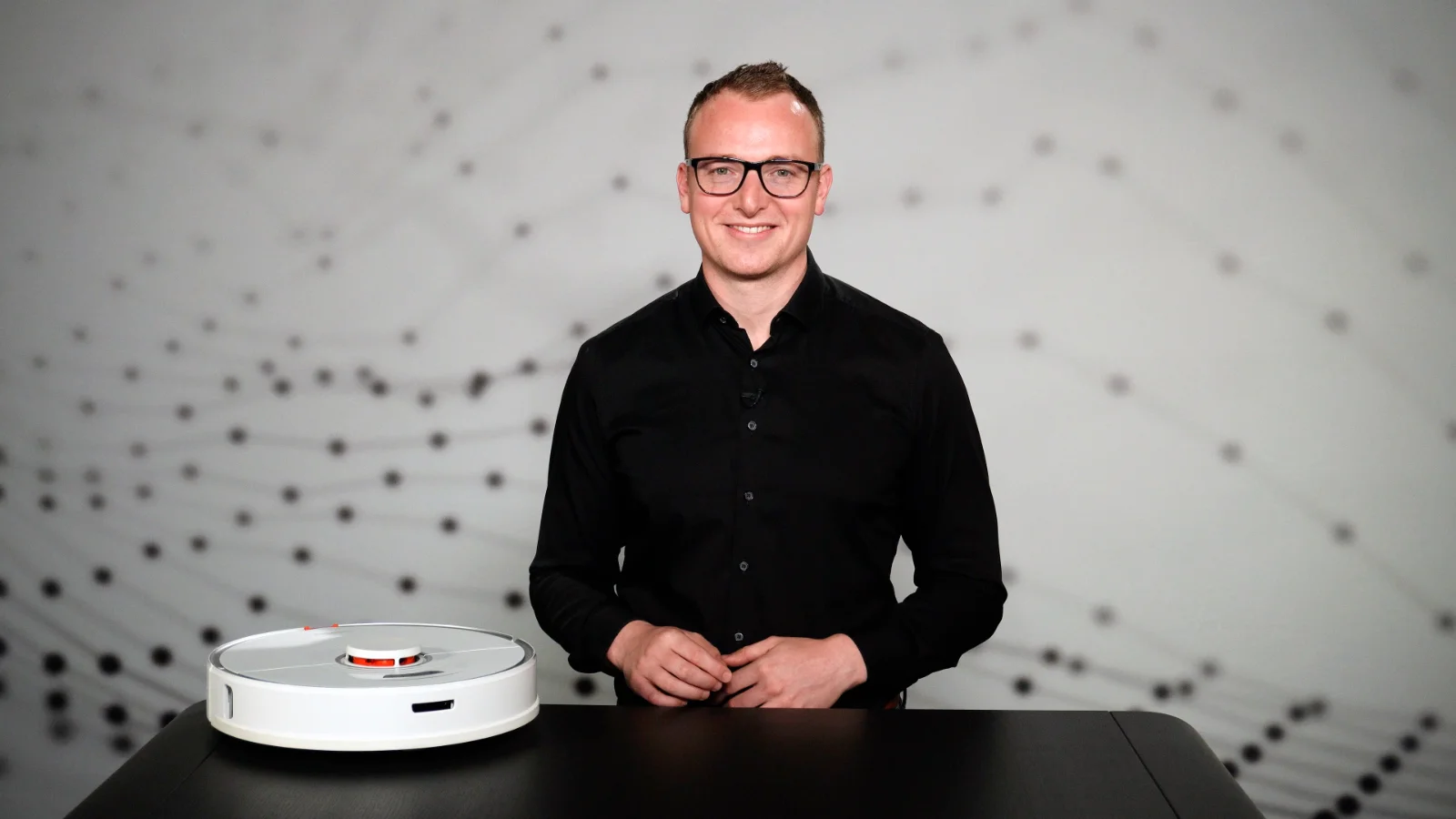
Work with a ready-to-use demonstration model – a robot vacuum cleaner – and experience the full RFLP approach in action. Request exclusive, free access to the RFLP Demo Trial using our form.
RFLP-Centric Development of a Robot Vacuum Cleaner
The PREEvision demo model showcases the capabilities of our systems engineering toolset. The robot vacuum cleaner illustrates the complete RFLP approach:
- Requirements Viewpoint: Define user needs and system goals.
- Functional Viewpoint: Specify system functions and behaviors.
- Logical Viewpoint: Design logical architecture and interactions.
- Physical Viewpoint: Map to software, hardware, and implementation details.
Navigate the RFLP Process Step by Step
We prepared a walkthrough to guide you through the entire process and clearly illustrate all necessary steps. Request access to the trial version to master the MBSE toolset and explore the demo model in detail.
The RFLP Walkthrough
The PREEvision trial guides you through the entire RFLP development cycle of the robot vacuum cleaner using a seamless, model-based approach.
Requirements Engineering
We start by engineering requirements. This establishes a shared understanding of the exact capabilities the robot vacuum cleaner delivers and sets a clear baseline for the entire project.
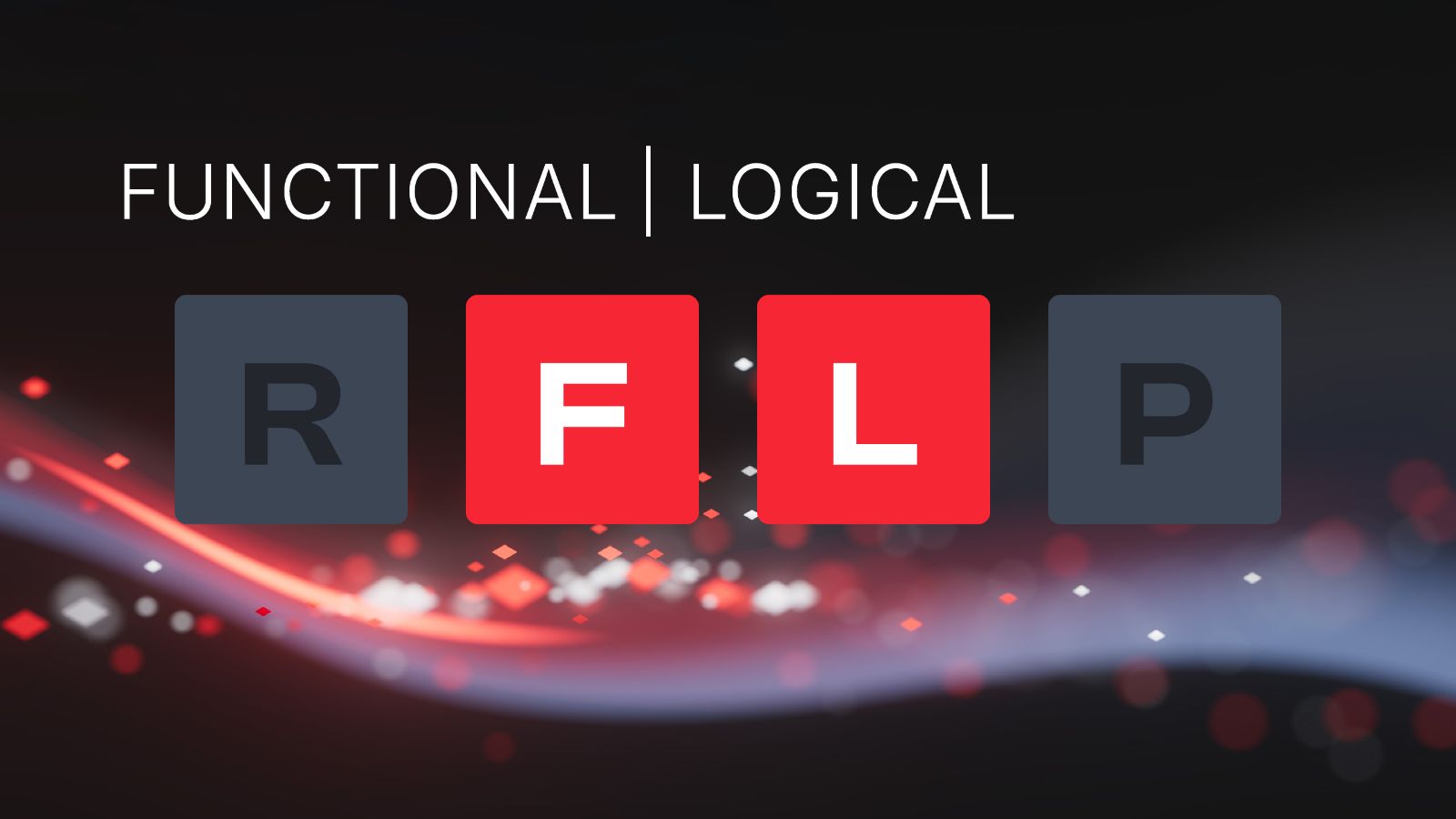
System Architecture
We design the system from functional and logical viewpoints. This step determines exactly how we meet the defined requirements and build the underlying architecture, independent of the physical implementation.
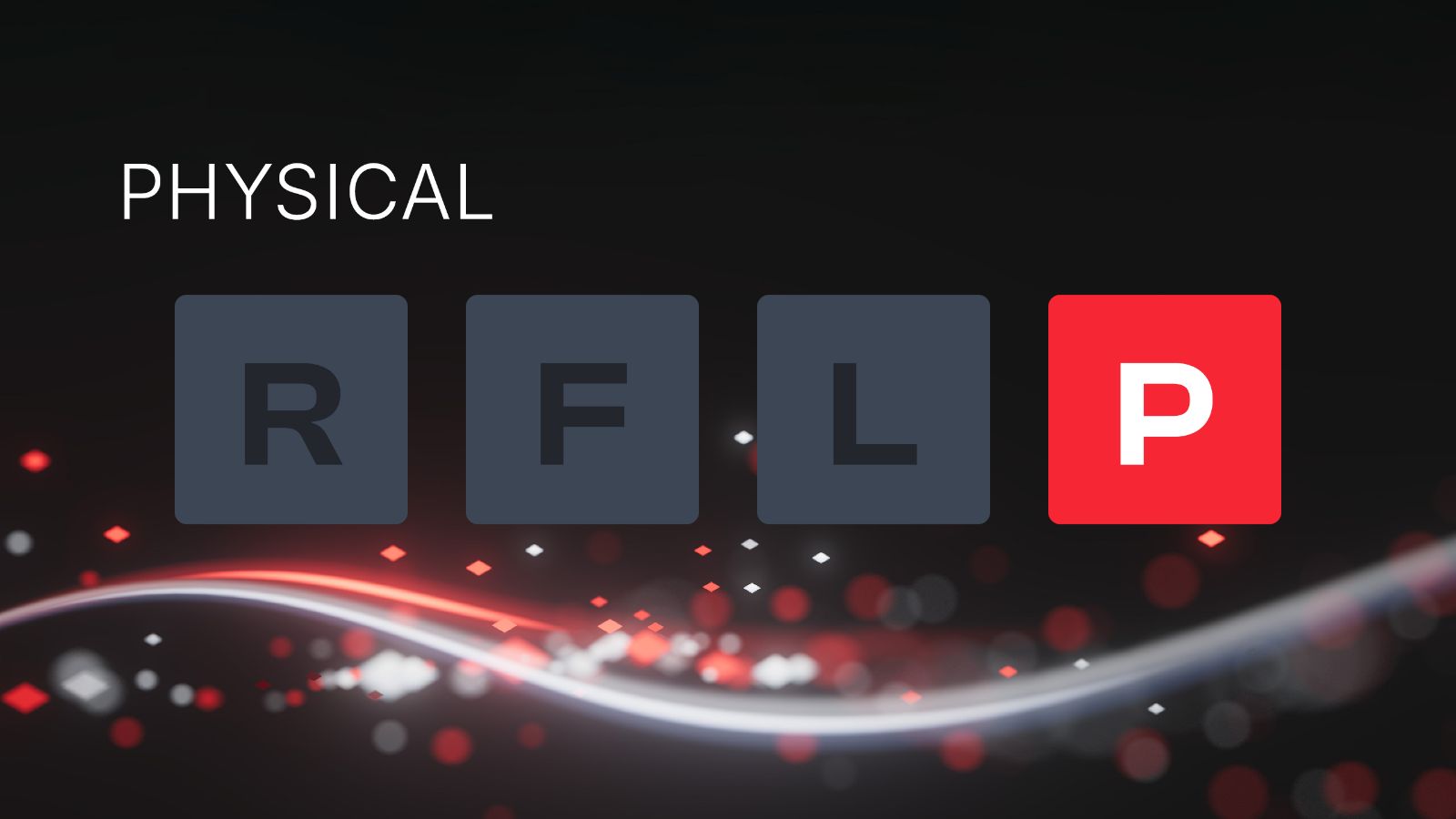
Software and Hardware Architecture
Finally, we develop the physical software and hardware architecture. We integrate the necessary tests to ensure real-time performance, secure seamless integration, and bring the product to life.
1. Requirements Engineering | R Viewpoint
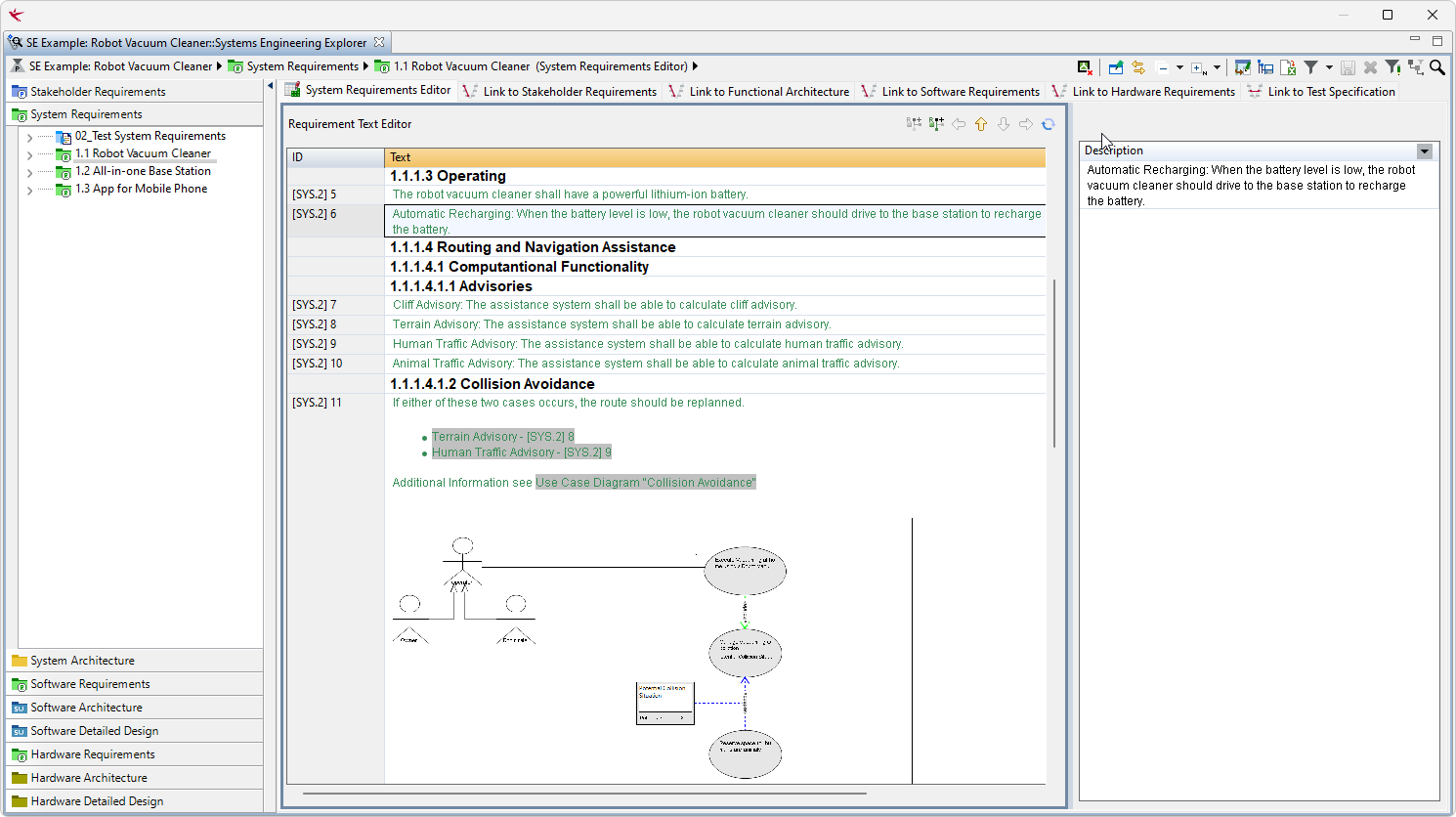
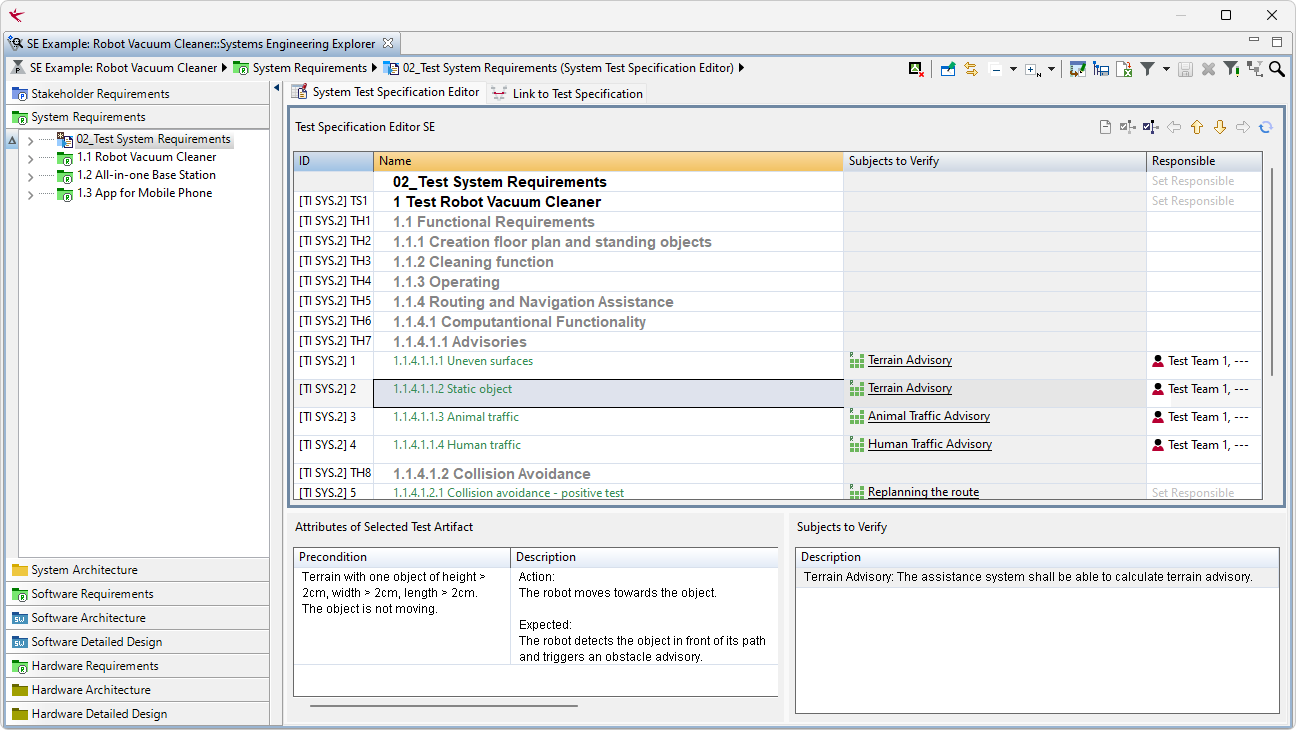
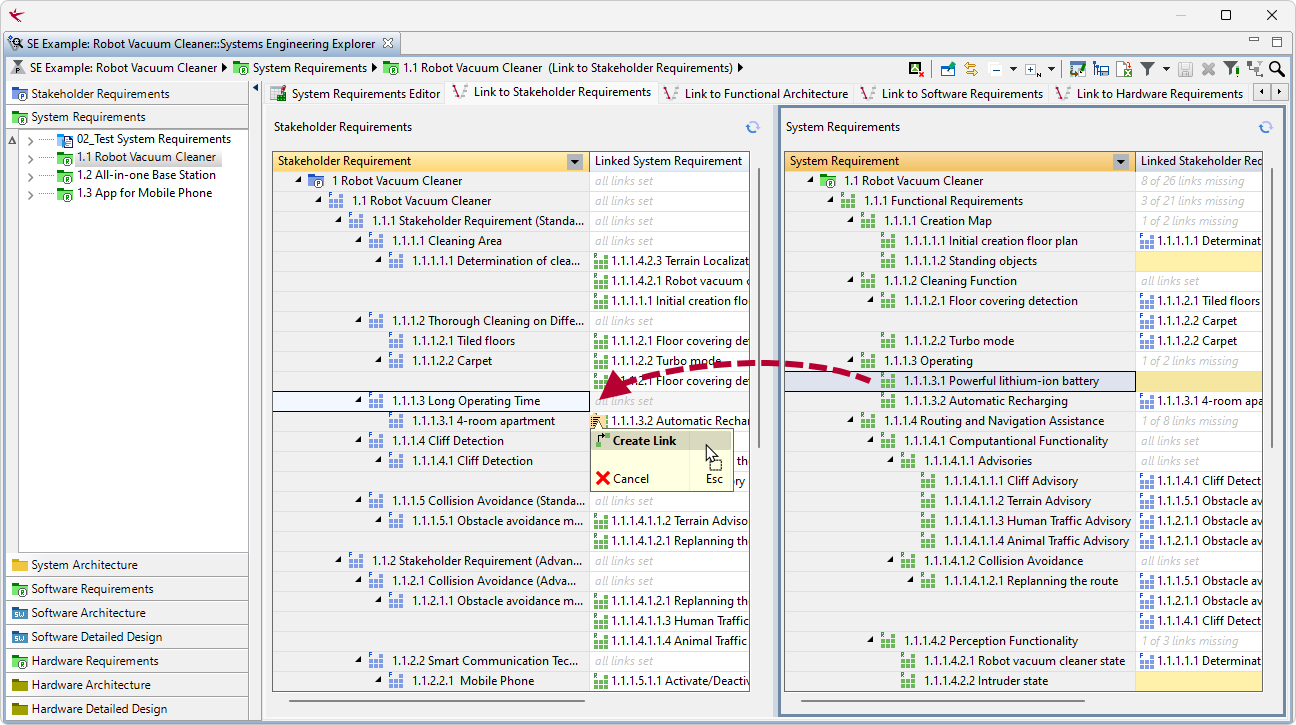
Requirements engineering is the first step in systems engineering. It gives all contributors a shared understanding of the system to be developed.
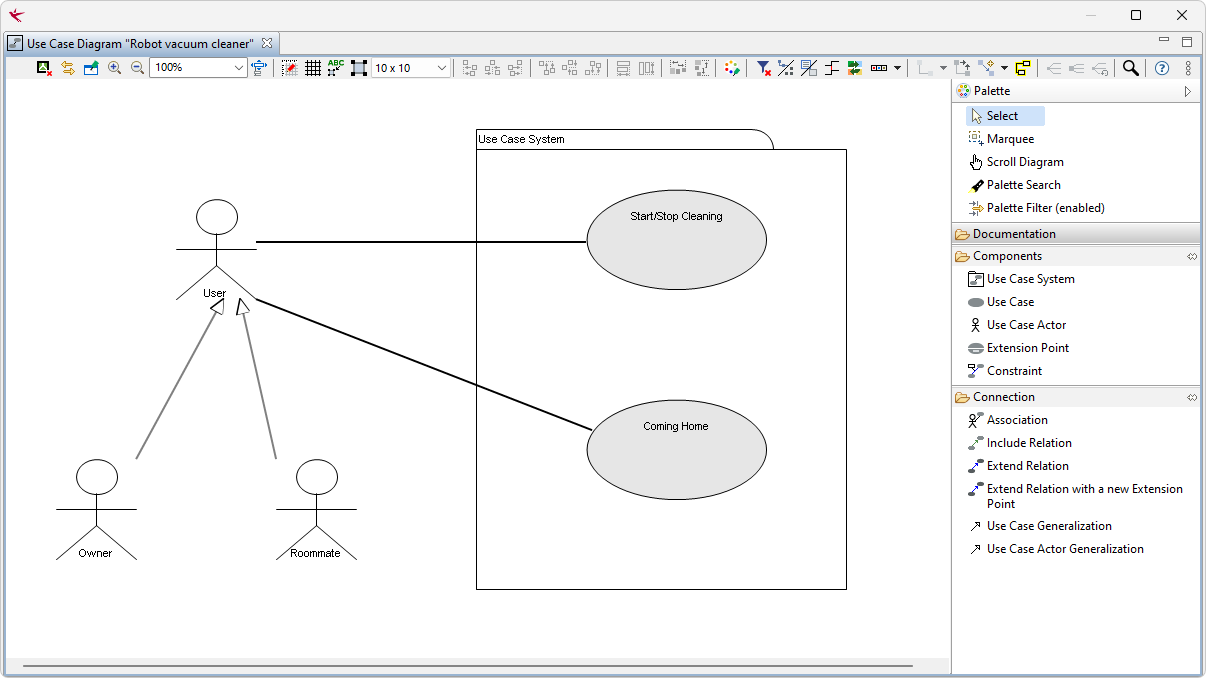
Stakeholder requirements form the starting point. They describe the product benefits for the stakeholders in natural language. A simple editor allows us to use texts, images, and use case diagrams.
MBSE VIDEO TUTORIAL
RFLP and PREEvision:
Requirements Viewpoint
Learn the basic workflow for requirements engineering in the PREEvision demo model.
2. System Architecture | F & L Viewpoint
After requirements engineering, we enter a creative step that determines how we meet those requirements.
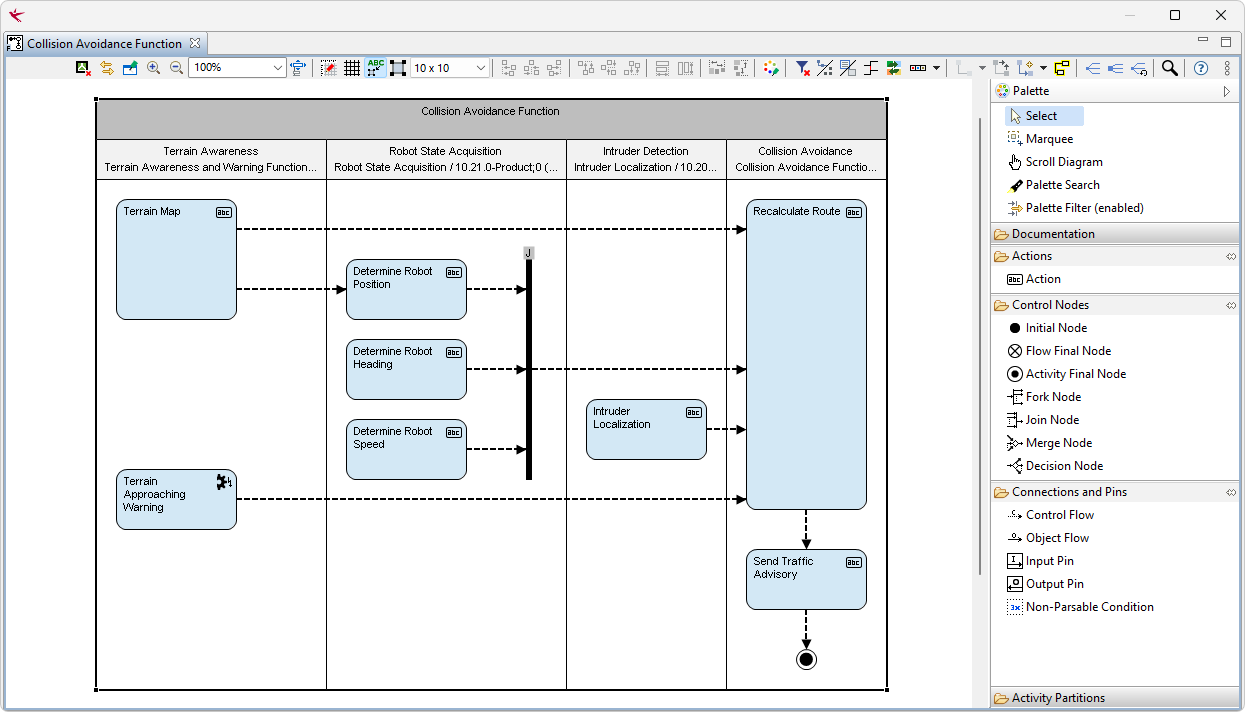
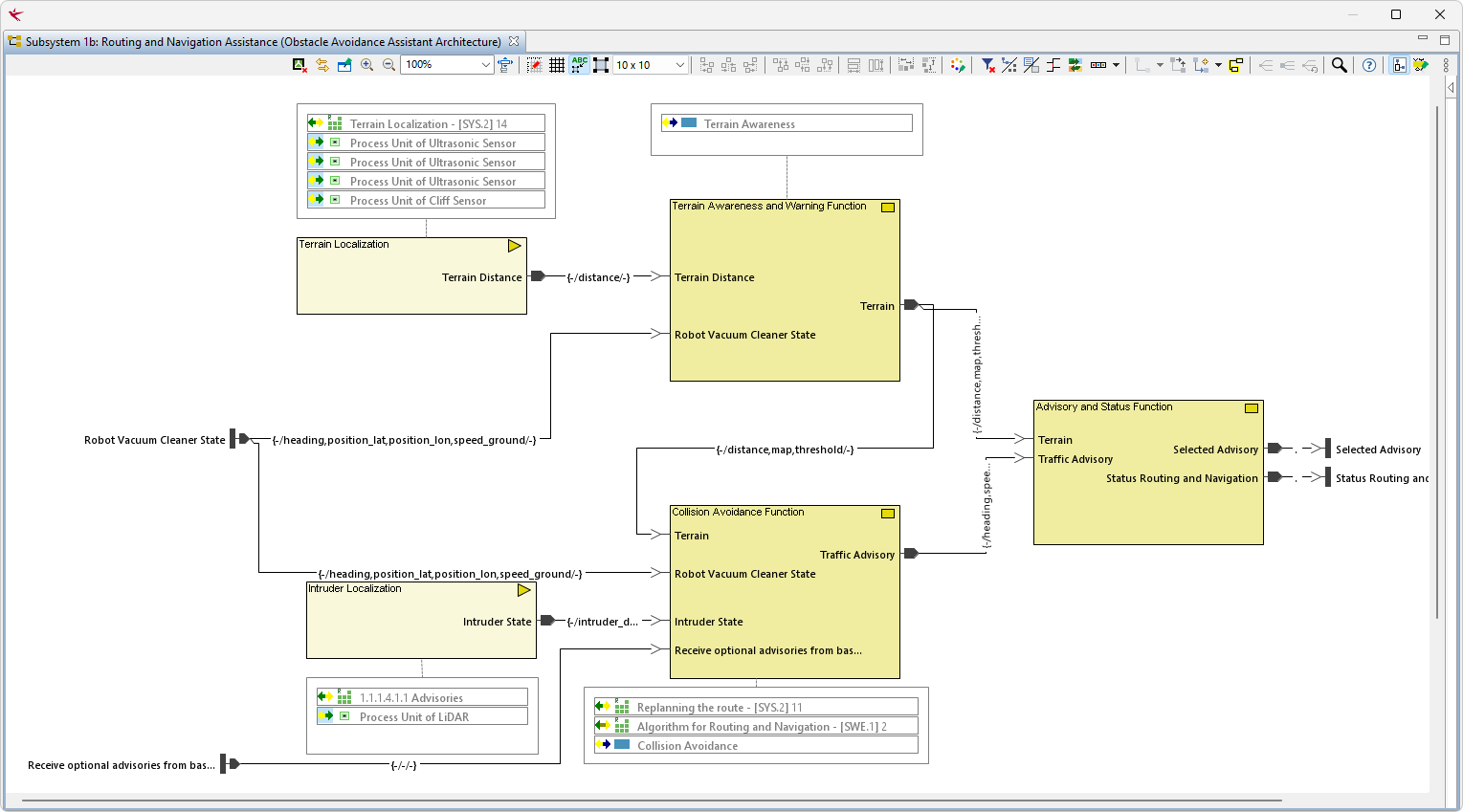
We start by defining the required functions, sub-functions, and their interactions. Modern products are systems of systems. Model activity diagrams to describe the behavior of a system in an isolated perspective. Set up a functional viewpoint that maps out all system requirements.
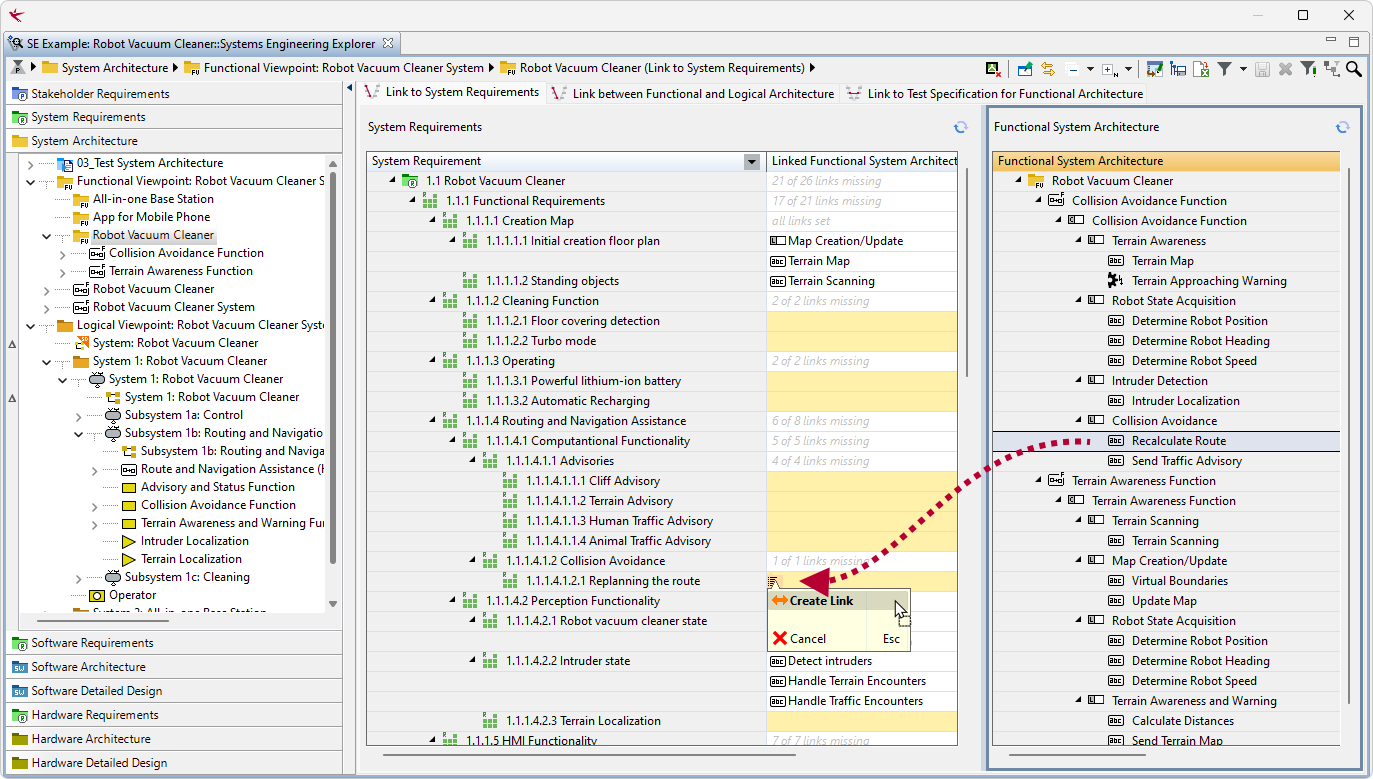
MBSE VIDEO TUTORIAL
RFLP and PREEvision:
Functional Viewpoint
Learn the basic workflow for designing the functions of the system.
MBSE VIDEO TUTORIAL
RFLP and PREEvision:
Logical Viewpoint
Learn the basic workflow for designing the logic of the system.
3. Software Architecture | P Viewpoint
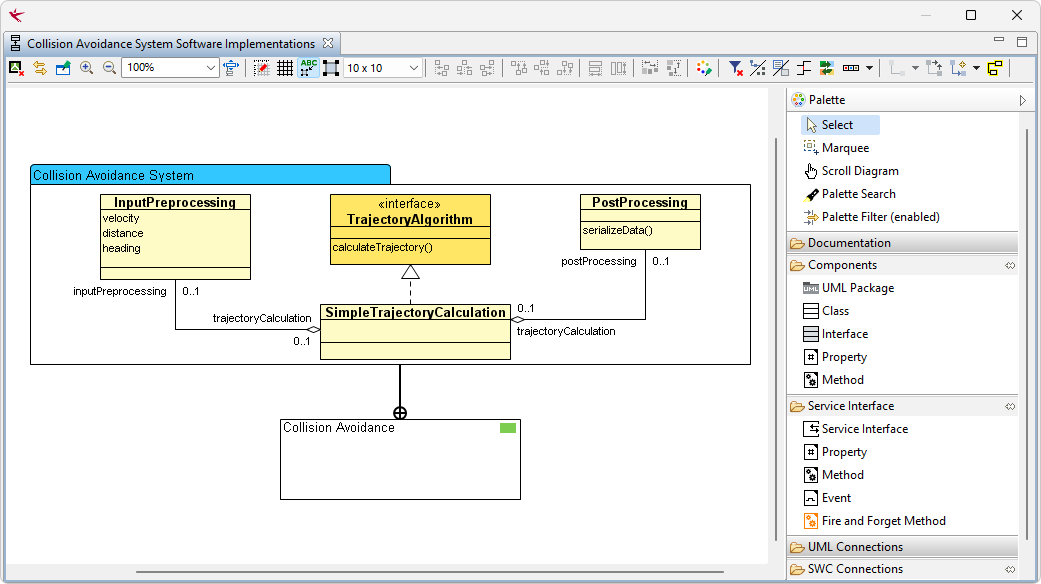
Software design is a crucial part of the physical realization of the system.
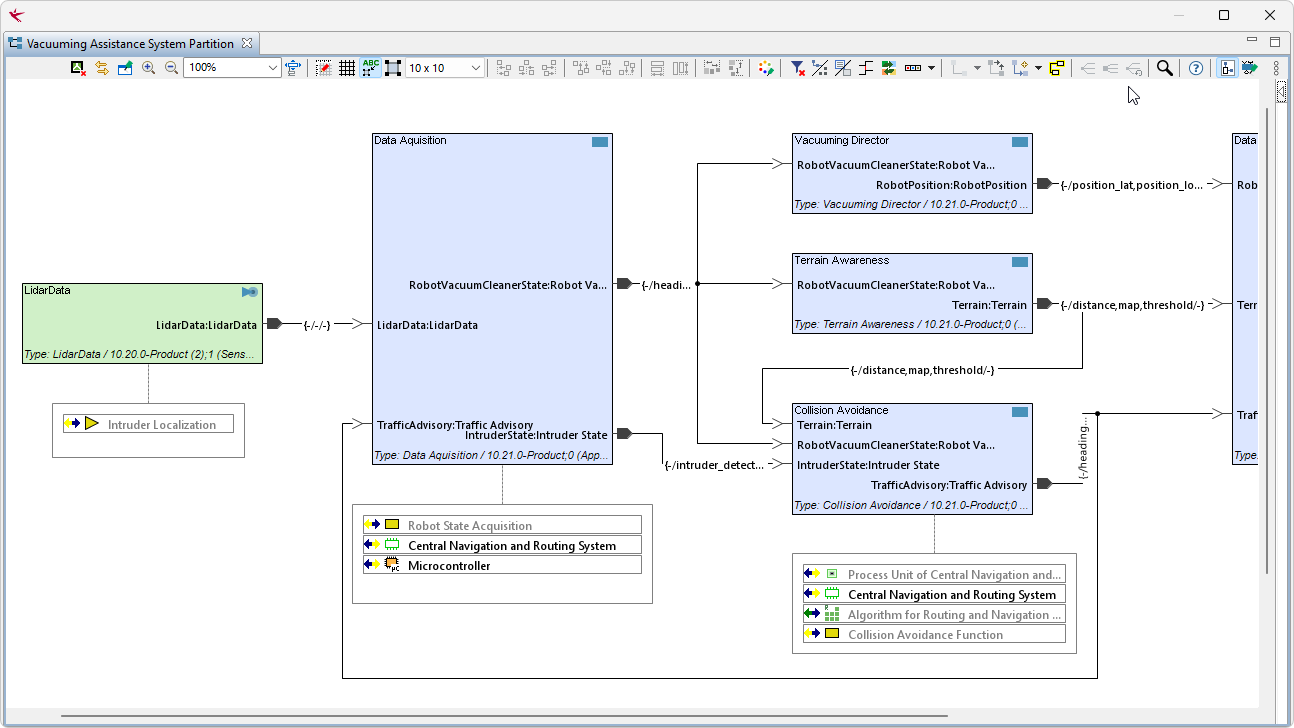
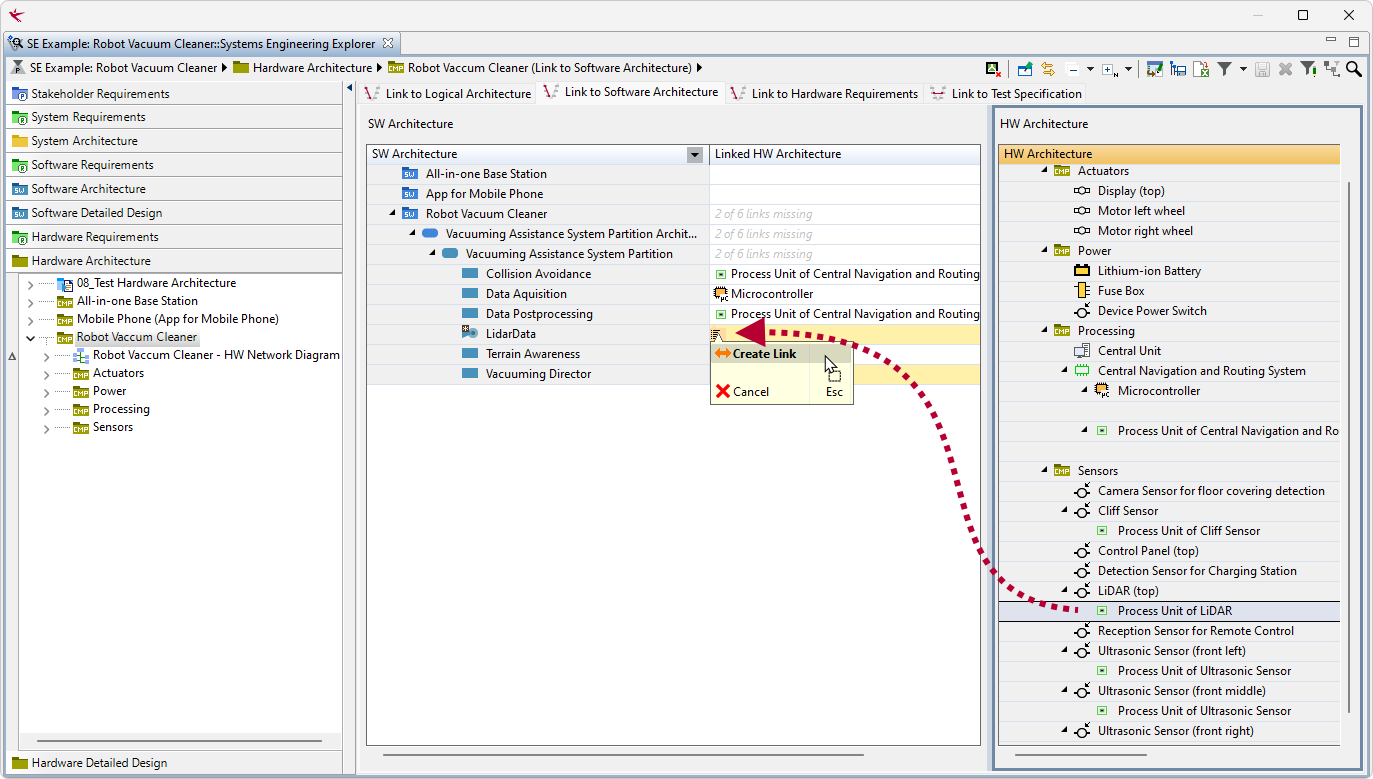
We define software components with their connections and interfaces. For the modeling of these static aspects of software architecture, PREEvision provides software architecture diagrams and class diagrams.
MBSE VIDEO TUTORIAL
RFLP and PREEvision:
Physical Viewpoint | Software Design
Learn the basic workflow for designing the software of the system.
4. Hardware Architecture | P Viewpoint
The second aspect of the physical realization of the system is the hardware design.
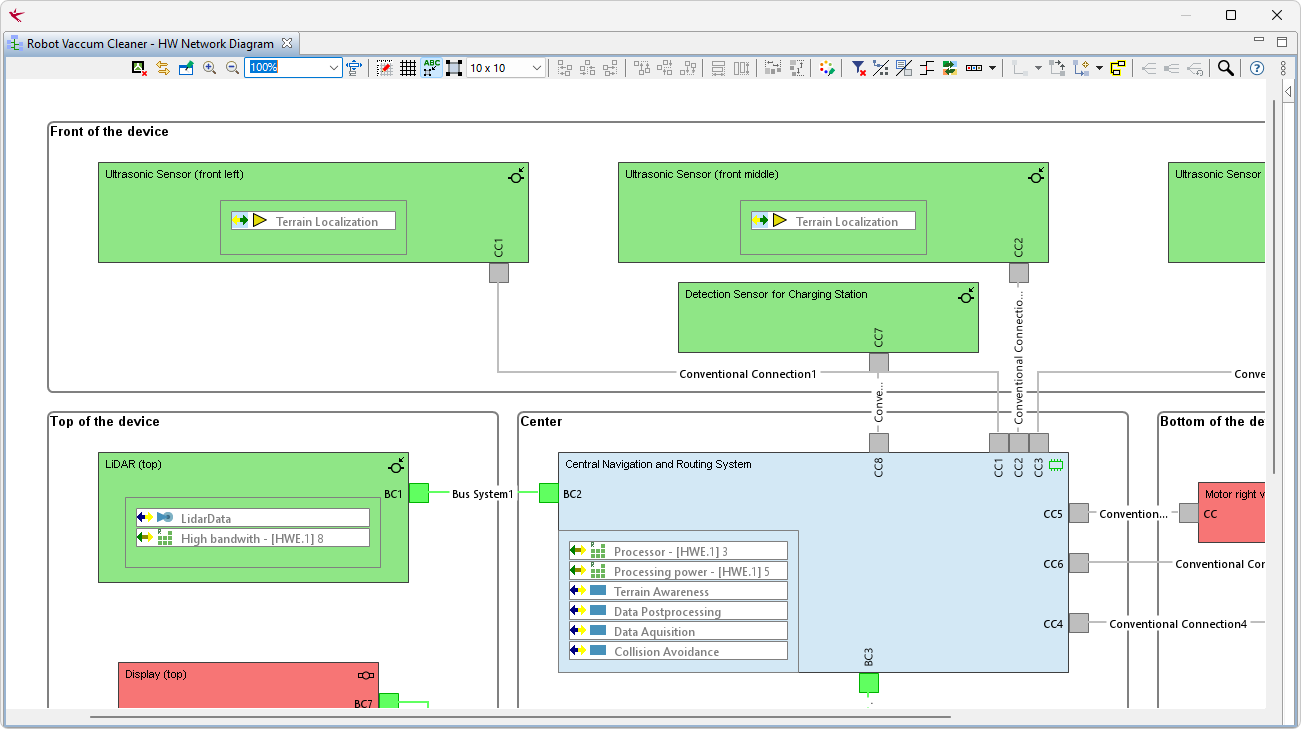
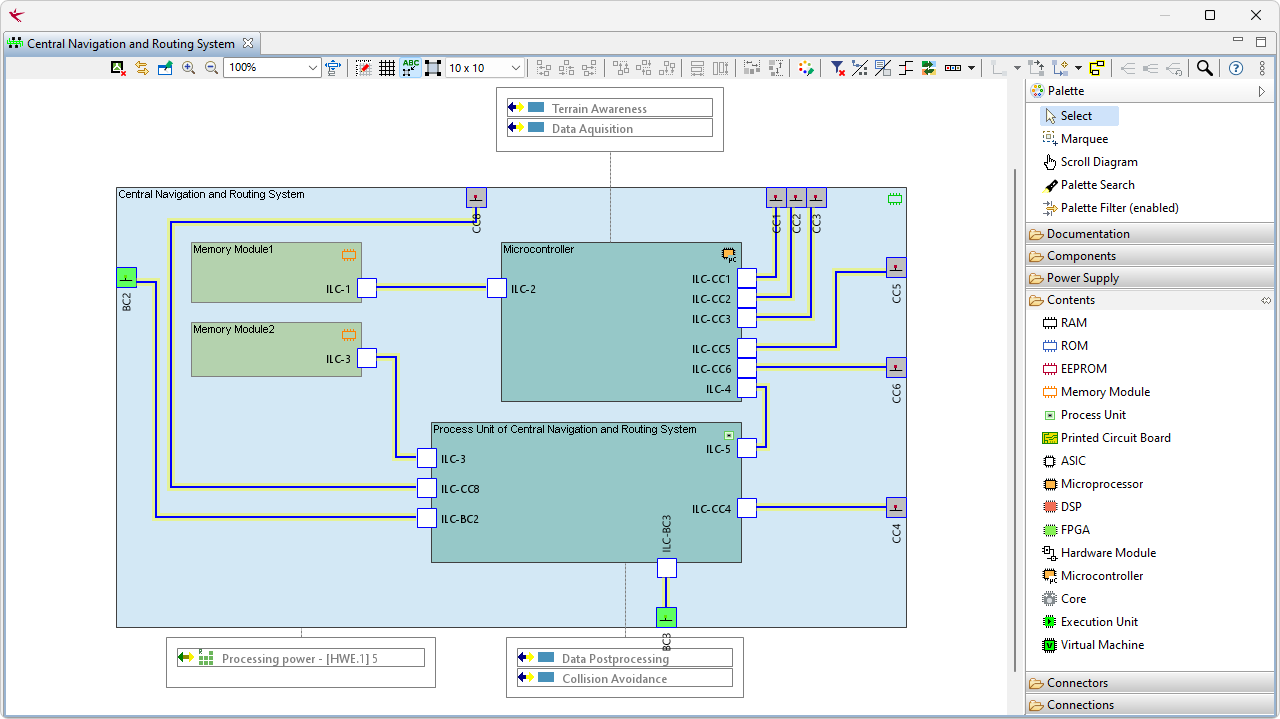
In diagrams, we set up a network topology of the complete E/E system or the relevant part of the system in scope. The network diagram supports the definition of the different E/E components, including their interfaces, power supply, and communication topology.
MBSE VIDEO TUTORIAL
RFLP and PREEvision:
Physical Viewpoint | Hardware Design
Learn the basic workflow for designing the hardware of the system.
PREEvision Trial Version
Unlock Exclusive Access and Explore PREEvision Yourself
Create momentum for your next project and build future-proof solutions. We offer PREEvision as a hosted trial environment, giving you the opportunity to explore its capabilities hands-on. Interact directly with our robot vacuum cleaner demo model and experiment with model-based systems engineering in a real-world context.
- No installation needed – just insights.
- Tailored to your RFLP engineering needs.
- Free trial with a ready-to-use demonstration model.
- Discover how PREEvision supports your systems engineering.

Explore More

PREEvision and MBSE
MBSE for E/E Systems